Tag: healthy home

  • Heirloom Furniture: Bringing Back the Hope Chest (A Beautiful Tradition Worth Reviving)

    Open wooden chest with bonsai tree, vintage photos, books, keys, pocket watches, and letters in forest setting

    As I was cleaning out my daughter’s room recently, I found myself smiling at the little treasures tucked into every corner.

    A favorite book with a worn spine. Tiny baby shoes I couldn’t bear to part with. Birthday cards. Vacation souvenirs. A carefully curated rock collection that somehow felt incredibly important. The kinds of things that don’t belong in a junk drawer but don’t quite have a home, either.

    It reminded me of my grandmother’s hope chest.

    I remember it sitting quietly in her bedroom—a beautiful cedar chest that seemed almost magical. It held quilts stitched by hand, family keepsakes, old photographs, and pieces of a life lovingly preserved. As a child, I had no idea it represented a centuries-old tradition. I just knew it felt special.

    It made me wonder…

    Why don’t we have hope chests anymore?

    And perhaps more importantly—should we bring them back?


    What Is a Hope Chest?
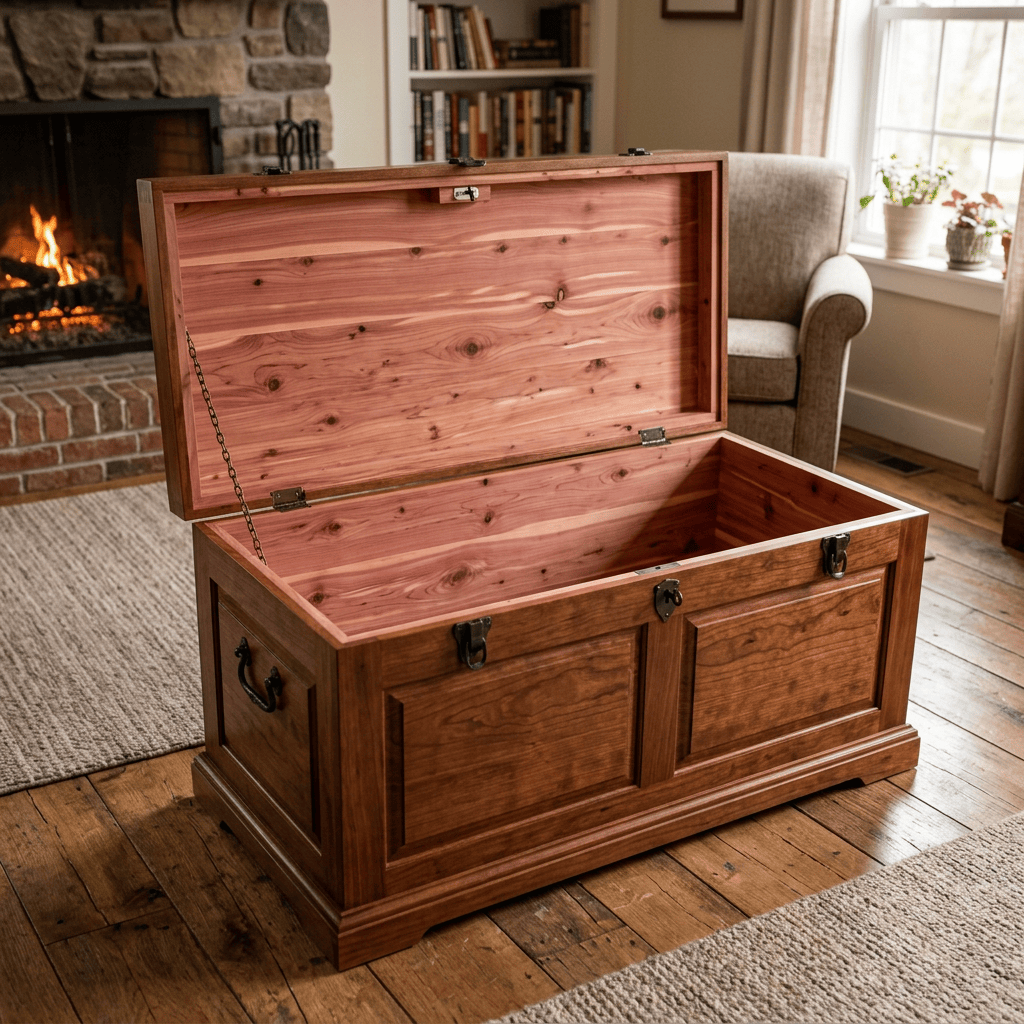
    Open wooden storage chest with cedar interior in living room.

    Traditionally, a hope chest was a large wooden trunk, often cedar-lined, gifted to a young woman as she approached adulthood. Over the years, she would slowly fill it with items she would need for her future home: linens, quilts, dishes, handmade embroidery, family heirlooms, and practical household essentials.

    It wasn’t simply furniture.

    It was preparation.

    It represented hope, anticipation, responsibility, and the quiet confidence that one day a new chapter would begin.

    Long before online registries and next-day shipping, families spent years collecting quality pieces that would last a lifetime. Grandmothers embroidered pillowcases. Mothers tucked away recipes. Relatives added silverware, blankets, and cherished family treasures.

    The chest slowly became a collection of love.


    A Tradition That Spans Centuries

    Renaissance chest lid with detailed paintings of a wedding feast, procession, and intimate scenes

    The idea actually dates back to Renaissance Italy, where ornate wedding chests—called cassoni—held a bride’s valuables and dowry. As European families immigrated to America, they brought the tradition with them, where hope chests eventually became a familiar part of many homes. Depending on where you lived, they were also known as dowry chests, bride boxes, glory boxes, or even simply “the bottom drawer.”

    While the original purpose centered around marriage, the heart behind the tradition was always much bigger.

    It was about preparing someone for the future.


    Why They Feel So Meaningful
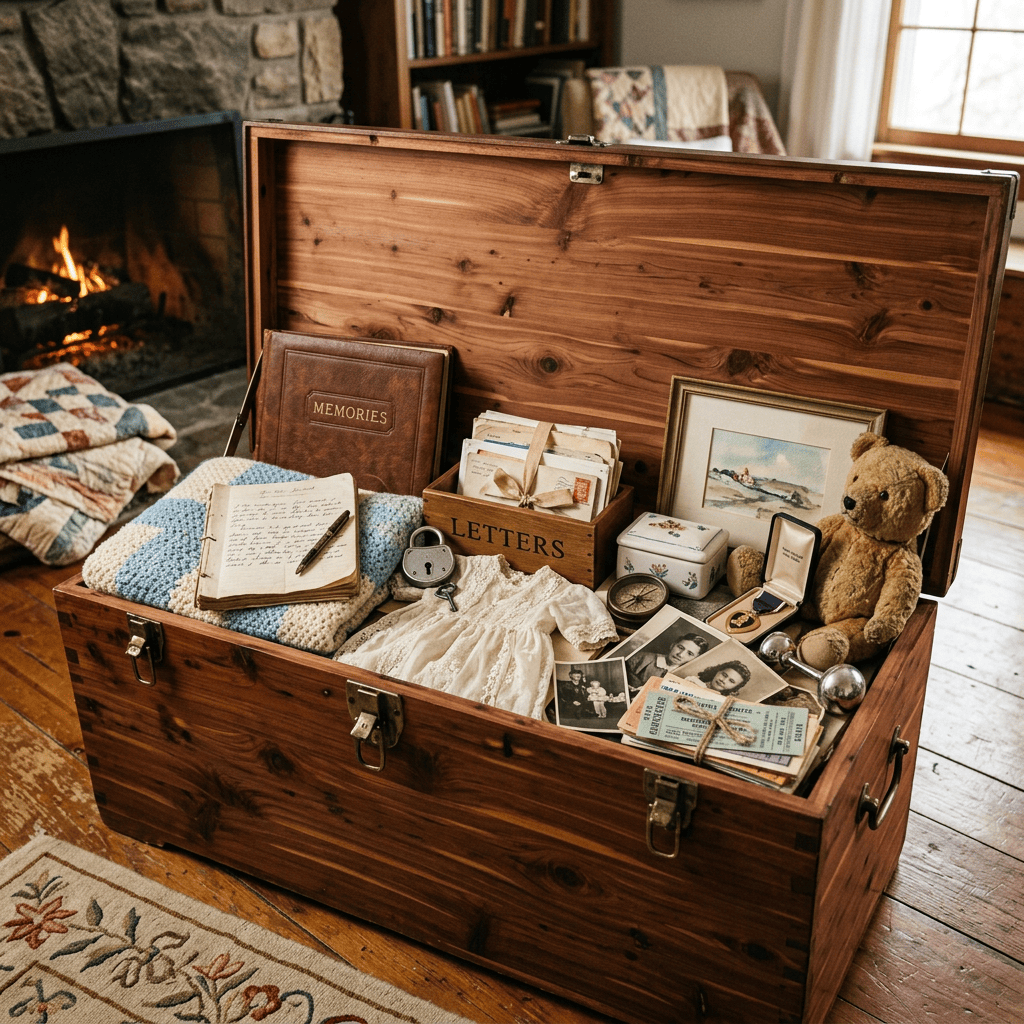
    Wooden chest filled with photo albums, letters, old photographs, a teddy bear, and personal keepsakes

    Perhaps what makes a hope chest so beautiful isn’t what’s inside it.

    It’s what it represents.

    Every object tells a story.

    Every blanket was chosen with care.

    Every handwritten recipe carries memories of family dinners.

    Every letter holds words someone hoped would still matter years later.

    A hope chest becomes a physical timeline—a bridge connecting childhood, adulthood, and future generations. It’s a place where ordinary objects become extraordinary simply because of the memories attached to them.

    In a world where so much is digital, disposable, and fast, there’s something profoundly comforting about having one place dedicated to preserving the things that matter most.


    Maybe We’ve Been Looking at Hope Chests the Wrong Way
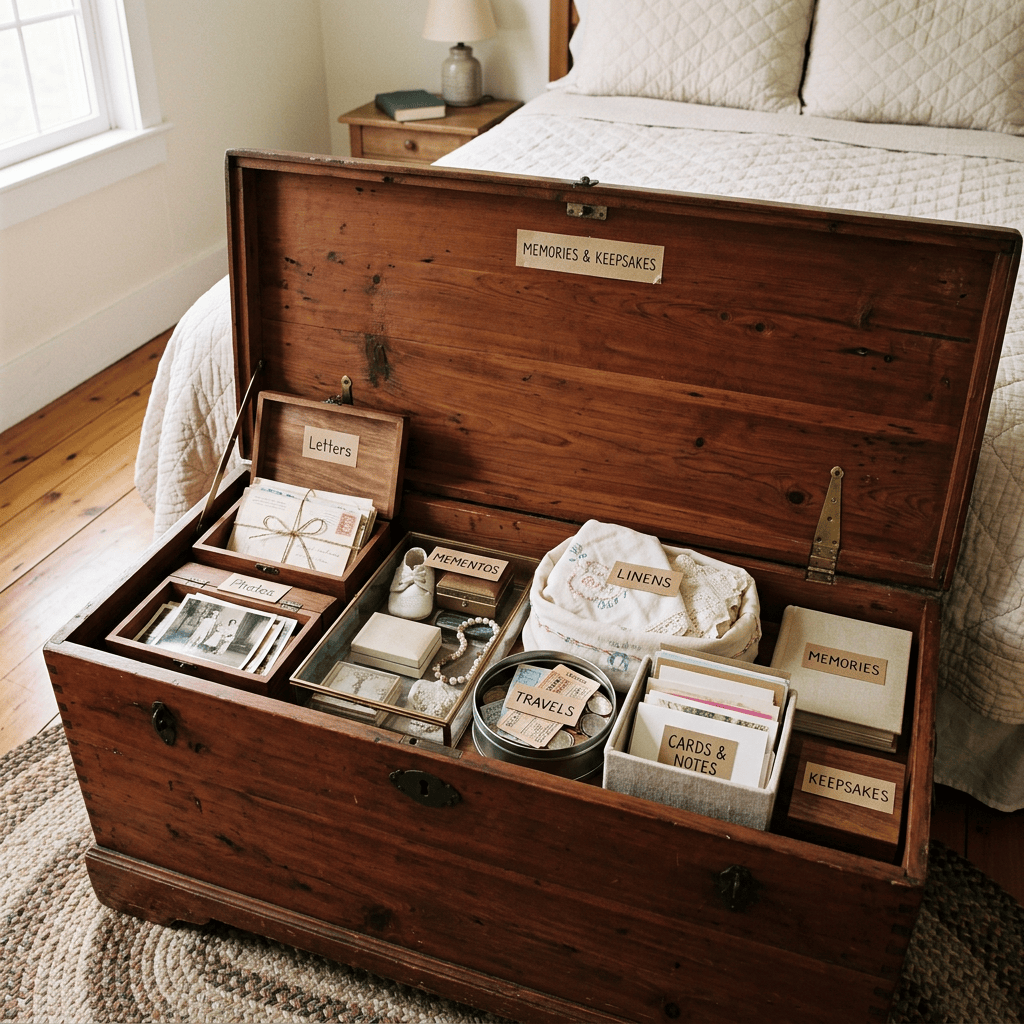
    Hope chest with organized keepsakes and containers

    One reason hope chests quietly disappeared is because society changed.

    Women no longer needed to spend years preparing for marriage in the same way, and thankfully, our understanding of adulthood has become much broader than one expected life path.

    But perhaps we threw away the tradition when we only needed to update its purpose.

    A modern hope chest doesn’t have to prepare someone for marriage.

    It can prepare them for life.

    Imagine gifting one to a teenager before graduation.

    Instead of embroidered linens, you slowly fill it with quality kitchen tools, soft towels, a cast iron skillet, favorite family recipes, a basic toolkit, first-aid supplies, and the practical things they’ll actually need when they leave home.

    Mixed among those practical items are the sentimental ones.

    Letters to open during hard seasons. (“open when…”)

    A beloved childhood book.

    Photos from family vacations.

    A favorite stuffed animal.

    The varsity jacket they can’t imagine giving away.

    Suddenly, it’s no longer just storage.

    It’s a launch kit for adulthood, tethered to a touchstone of family history.

    One of my favorite things to tuck inside a hope chest is a collection of handwritten letters. Years from now, those words may become one of the most treasured items in the entire chest. If you’re looking for ideas, I shared dozens in my article on “The Lost Art of Letter Writing: A Simple Way to Feel More Connected.”


    It Doesn’t Even Have to Be for a Teenager

    One of my favorite things about reviving this tradition is that there are no rules anymore.

    A hope chest can become a baby’s keepsake box, preserving hospital bracelets, first shoes, favorite books, artwork, and birthday cards.

    It can become a family memory chest, holding heirloom ornaments, handwritten recipes, and treasured photographs.

    It can store travel journals and souvenirs collected over decades.

    Or it can simply become the beautiful cedar chest at the foot of your bed that quietly protects quilts, blankets, and family treasures while adding warmth to your home.

    The purpose is no longer prescribed.

    You get to decide what hope looks like.


    The Practical Beauty of a Hope Chest
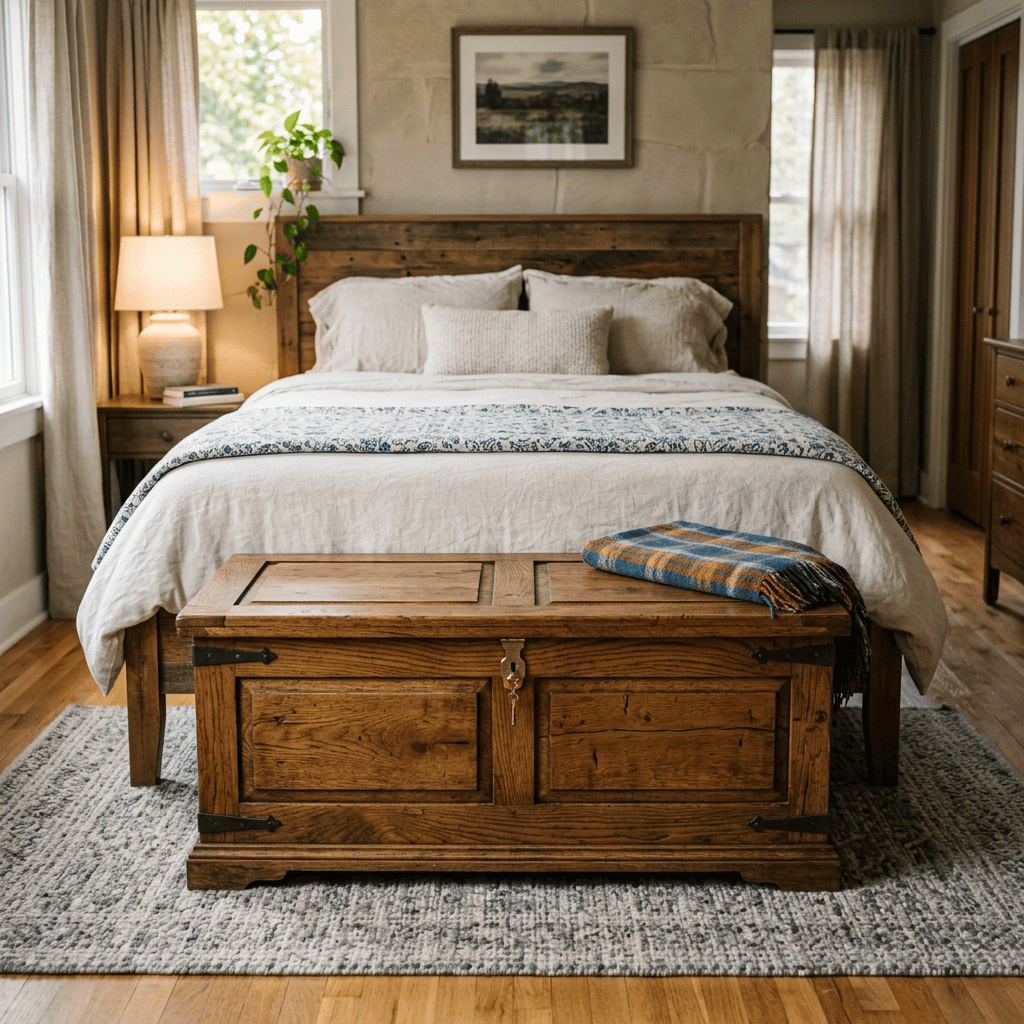
    Bedroom with wooden bed, beige bedding, wooden chest with plaid blanket, bedside lamp, and houseplant

    Part of what made these chests so beloved wasn’t just sentimentality—they were incredibly practical.

    Many were built from solid hardwood and lined with aromatic cedar, which naturally helped protect fabrics from insects while allowing the chest to last for generations. Some even included locking compartments for letters, jewelry, or treasured keepsakes.

    Unlike many storage pieces today, these weren’t designed for the next move or the next decorating trend.

    They were built to become family heirlooms.

    Furniture that stayed.

    Furniture that gathered stories.

    Furniture that outlived us.


    A Beautiful Gift at Just the Right Time
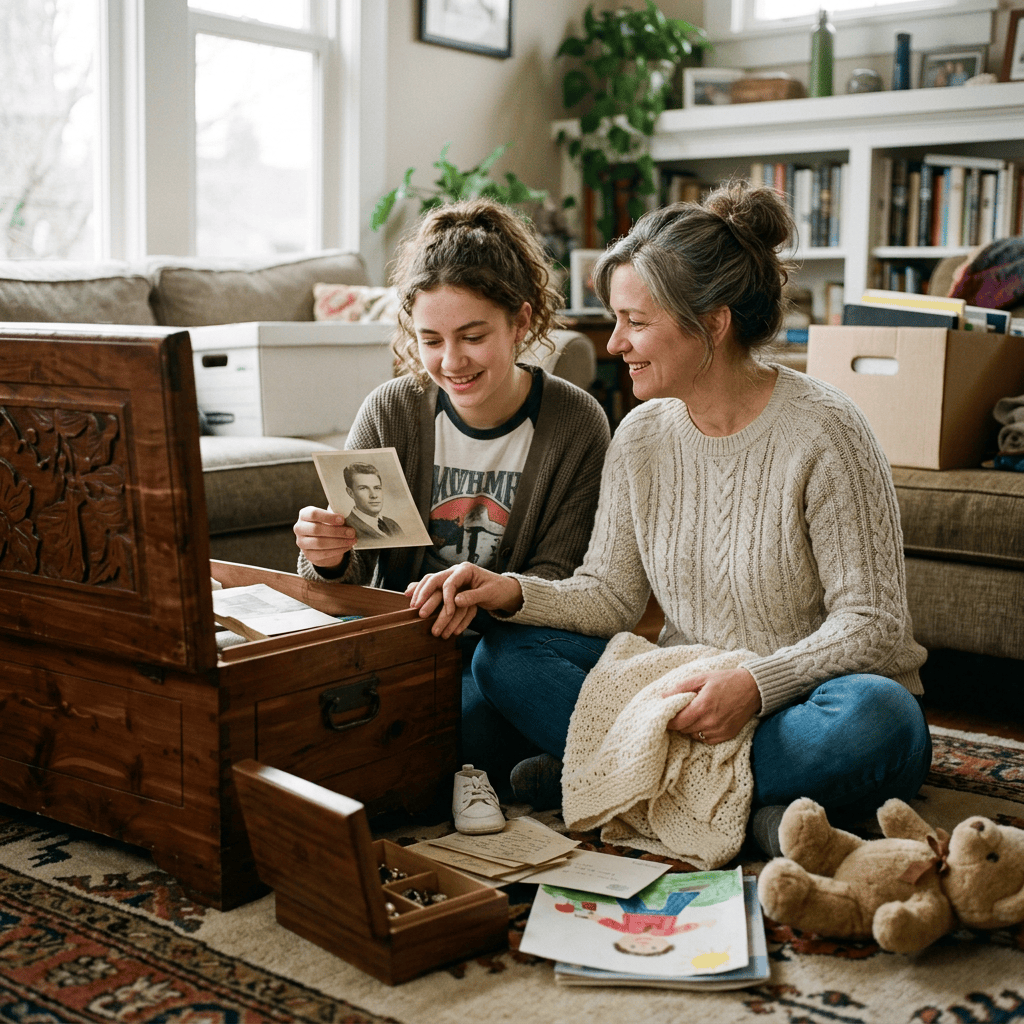
    Mom and teen organizing hope chest keepsakes

    If you’re considering starting this tradition, the sweet spot is often between ages sixteen and eighteen.

    Those years are filled with anticipation. Graduation is approaching. Independence is becoming real. Life feels wonderfully uncertain.

    A hope chest offers something surprisingly grounding during that season.

    It says:

    “You don’t have to figure everything out today.”

    “We’ll prepare together.”

    “Every birthday, every Christmas, every milestone, we’ll slowly fill this with the things you’ll need.”

    Instead of overwhelming adulthood arriving all at once, it becomes something you build toward, one thoughtful gift at a time.

    Special Letter Template:

    Here is a sample letter template designed to be given to a teenager alongside a hope chest. (In case you need some inspiration) (best handwritten)

    Dear [Name],

    There is a strange, quiet ache in watching someone you love grow up. As a parent, my greatest joy has been witnessing the person you are becoming, but it comes with the difficult realization that I cannot freeze time. I look at you now and see both the child who used to reach for my hand and the independent young adult who is preparing to step out into a vast world. Life moves in profound phases, and right now, you are standing on the threshold of your own beginning.

    To mark this transition, I am giving you this chest.

    Historically, these were called hope chests, given to young people to collect the practical tools they would need to build a future home. Generations ago, they were filled with hand-woven linens and tableware, saved in anticipation of a specific, traditional life path.

    But our world looks different now, and my hopes for you are vastly wider.

    I want you to think of this chest not as a rigid tradition, but as a modern container for your independence, your dreams, and your resilience. It is a physical anchor for your journey. As you navigate the next few years, you will fill it with the essentials of adulthood—perhaps tools for your first apartment, books that change your perspective, or utensils for a kitchen that is entirely your own. But more importantly, I hope you fill it with the invisible things: your courage, your values, and the memories of where you came from.

    The wood of this chest is strong, built to endure time and protect whatever is kept safe inside its walls. Let it remind you of your own foundation. No matter how far you travel, how challenging the world becomes, or how many times your life plans change, you carry a baseline of strength and love that cannot be shaken.

    Inside this chest, you will find a few first pieces to start your collection. But the space left open belongs entirely to your future. Step forward boldly, know that it is a beautiful privilege to watch you grow, and never forget that no matter how independent you become, you will always have a home here with me/us.

    With all my love and hope,

    [Parent/s Name]


    If this idea has you dreaming about starting a hope chest of your own, or gifting one to a loved one, I’ve put together a carefully curated collection of quality pieces for every budget that fit the spirit of this tradition. Whether you’re looking for the perfect cedar chest or storage options for keepsakes, you’ll find some of my favorite recommendations *in my storefront.

    *As an Amazon Affiliate, I may earn from qualifying purchases at no additional cost to you, thank you for supporting my work!


    Maybe What We Really Miss Is the Slowness
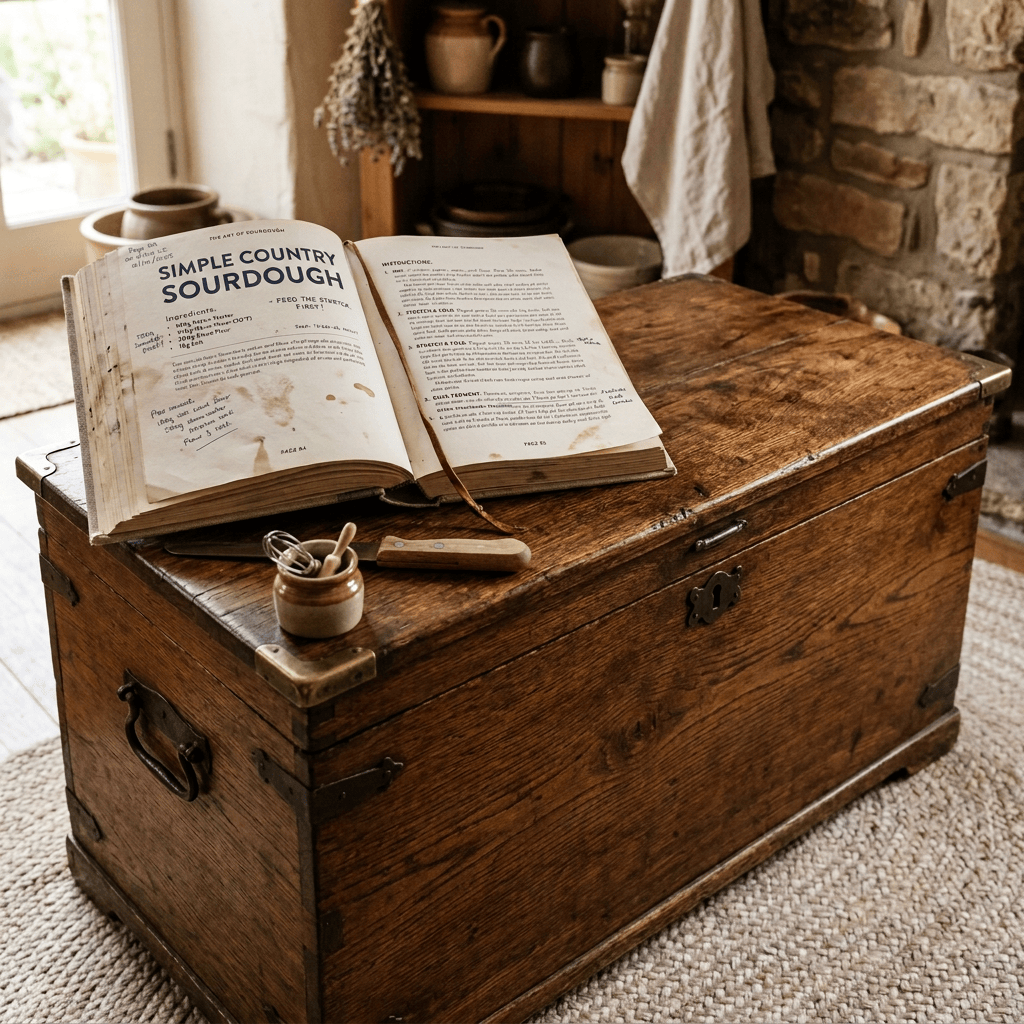
    Open book with sourdough bread recipes on a wooden chest with kitchen utensils

    I wonder if the revival of cottagecore, grandmacore, heirloom gardening, handmade quilts, sourdough, and slow living all point toward the same longing.

    We’re craving rituals again.

    We want traditions that connect generations instead of disappearing between them.

    We want objects that mean something.

    A hope chest asks us to slow down.

    To choose quality over quantity.

    To save instead of replace.

    To pass down instead of throw away.

    To intentionally prepare the people we love—not just with things, but with wisdom, encouragement, family history, and hope.


    A Tradition Worth Keeping Alive

    Maybe that’s why this old tradition still feels so beautiful.

    Not because we need to return to the past.

    But because some traditions deserve to evolve rather than disappear.

    A hope chest isn’t really about marriage.

    It isn’t even about furniture.

    It’s about creating a place where love is collected over time.

    Where memories are protected.

    Where practical gifts meet heartfelt ones.

    Where a young person can begin adulthood knowing they carry a little piece of home with them wherever life leads.

    And perhaps that’s something every generation still needs.
    Embroidery hoop with a stitched anatomical heart surrounded by floral designs on fabric
  • Biophilic Bathroom Bliss: How to Create a Healthy, Nature-Inspired Retreat (Without a Full Remodel)

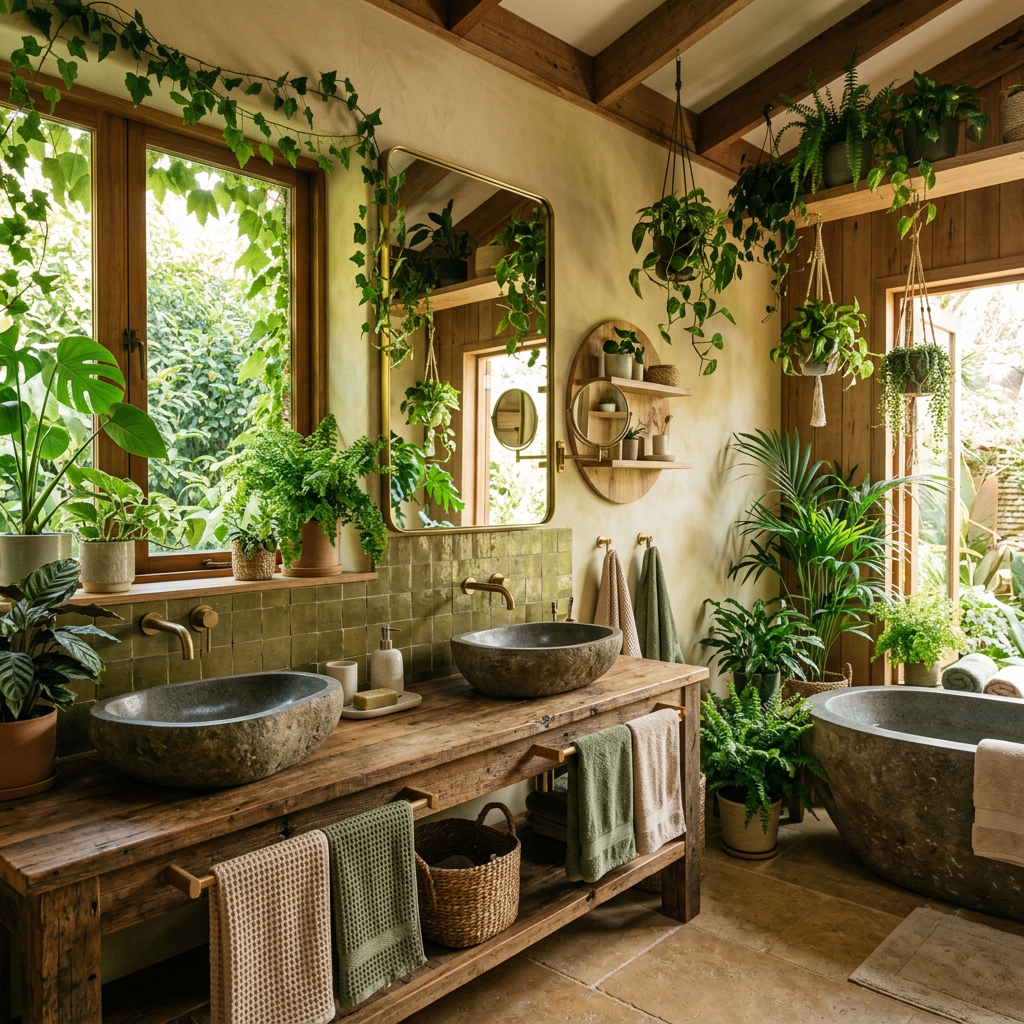
    Rustic bathroom with stone sinks, bathtub, wooden countertop, and numerous green plants

    The bathroom is one of the first places we visit every morning and one of the last places we spend time before bed. It’s where we prepare ourselves for the outside world, wash away the day, and (hopefully) find a few quiet moments in between.

    But for years, I noticed something strange.

    I would step into the shower…and instead of relaxing, I felt anxious.

    It took me a long time to realize why.

    For years, my morning shower had been the place where my brain switched into work mode. Every rushed morning, every stressful commute, every overwhelming day started in that same shower. My body had quietly learned that stepping under the water meant stress was about to begin.

    Once I recognized the pattern, I stopped thinking of my bathroom as simply a functional room. Instead, I started asking:

    How can this space help my body feel calm instead of overwhelmed?

    That question led me to the idea of biophilic design—a design philosophy centered around bringing the calming qualities of nature into our homes. Combined with cleaner materials, better organization, and a few thoughtful upgrades, it completely changed how I experience one of the most-used rooms in my house.

    The best part?

    You don’t need a luxury renovation or an unlimited budget. Small, intentional changes can make a surprisingly big difference.

    What Is Biophilic Design?

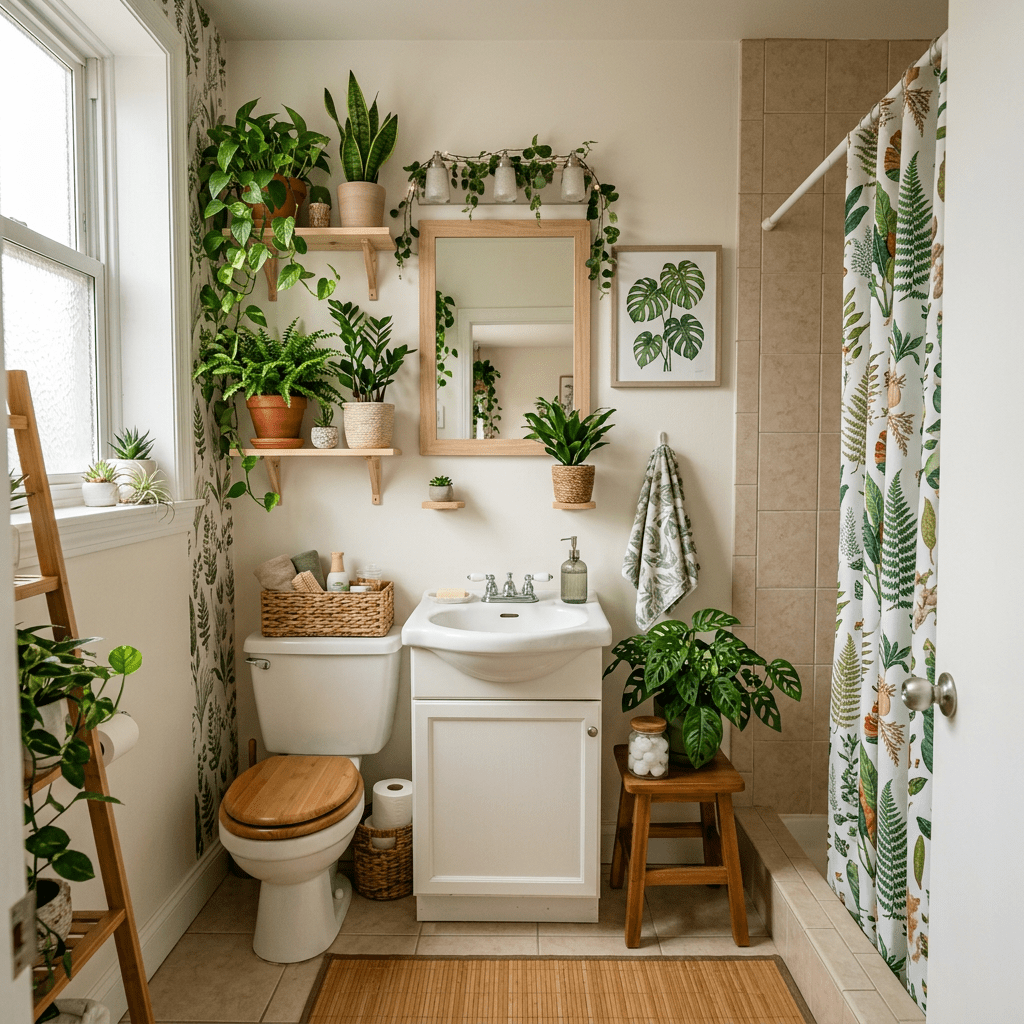
    Bathroom featuring a white sink and toilet, wooden accents, multiple green potted plants, and leafy patterned shower curtain

    The word biophilic simply means our natural connection to nature.

    Biophilic design brings elements of the outdoors inside through natural light, organic textures, plants, calming colors, flowing shapes, and sensory experiences that remind us of being outside.

    Think less “Pinterest-perfect spa” and more “a room that quietly helps your nervous system exhale.”

    When paired with healthier materials and thoughtful organization, your bathroom becomes more than a place to get ready—it becomes a place that supports your physical and mental well-being.


    One of my favorite parts of designing a home is finding beautiful, functional pieces that make everyday routines feel a little more intentional.

    If you’ve been thinking about creating a healthier, more calming bathroom, I’ve rounded up some of my favorite finds to help you get started. You don’t have to transform your bathroom overnight. Even one thoughtful change can make a difference.These are products I’ve chosen because they align with the ideas of biophilic design—cleaner materials, thoughtful design, practical organization, and simple ways to bring a little more nature into everyday life. I hope these ideas inspire you! Storefront Link Here

    *This post contains affiliate links. As an Amazon Associate, I earn from qualifying purchases. This means that if you click on a link and make a purchase, I may receive a small commission at no additional cost to you. I only recommend products I genuinely love, use, or believe will add value to your home and wellness journey. Thank you for supporting my work! 


    1. Start With Clean Air and Better Water

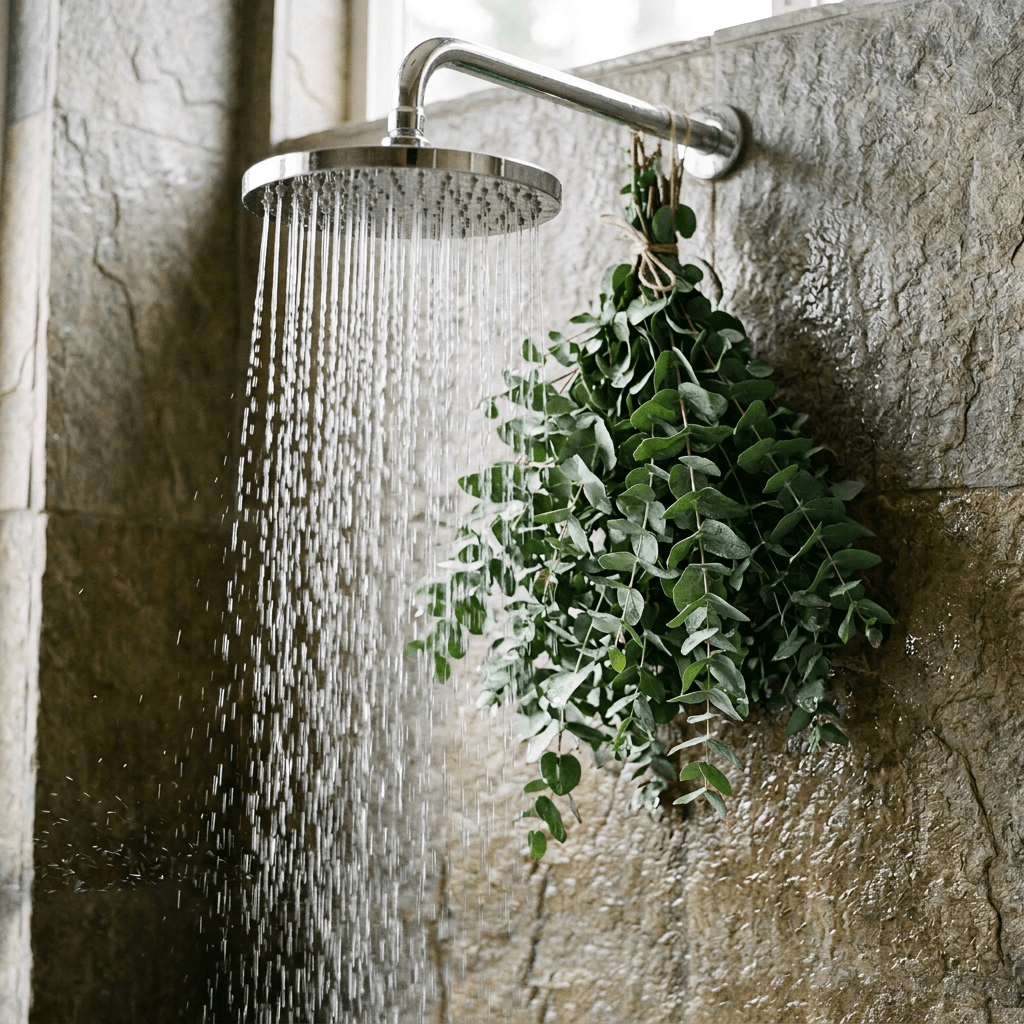
    Showerhead spraying water next to a tied bundle of eucalyptus leaves hanging on a stone wall

    Bathrooms naturally collect humidity, making good ventilation one of the healthiest investments you can make. (Think mold control)

    An effective exhaust fan (or opening a window whenever possible) helps control moisture, discourages mold growth, and keeps the room feeling fresh.

    Next, think about your shower.

    A shower filter can reduce chlorine and other impurities commonly found in municipal water. Many people also find filtered water gentler on sensitive skin and hair. A filtered shower head combo combines clean water and the sensory experience of a rainfall shower.

    If you’ve ever wanted your shower to feel more like a spa, consider layering in simple sensory upgrades:

    • A rainfall shower head for a softer, more immersive shower experience
    • Fresh eucalyptus hung behind the shower head. Hanging eucalyptus in the shower uses hot steam to release natural essential oils that clear respiratory airways, lower cortisol levels, and instantly transform a daily shower into a stress-reducing aromatherapy ritual.
    • A waterproof Bluetooth speaker with calming music or nature sounds
    • Waterproof Red Light Therapy Lamp for a therapuetic experience

    These ideas aren’t about creating a picture-perfect bathroom—they’re about creating a ritual your body actually looks forward to.


    2. Use Natural Materials

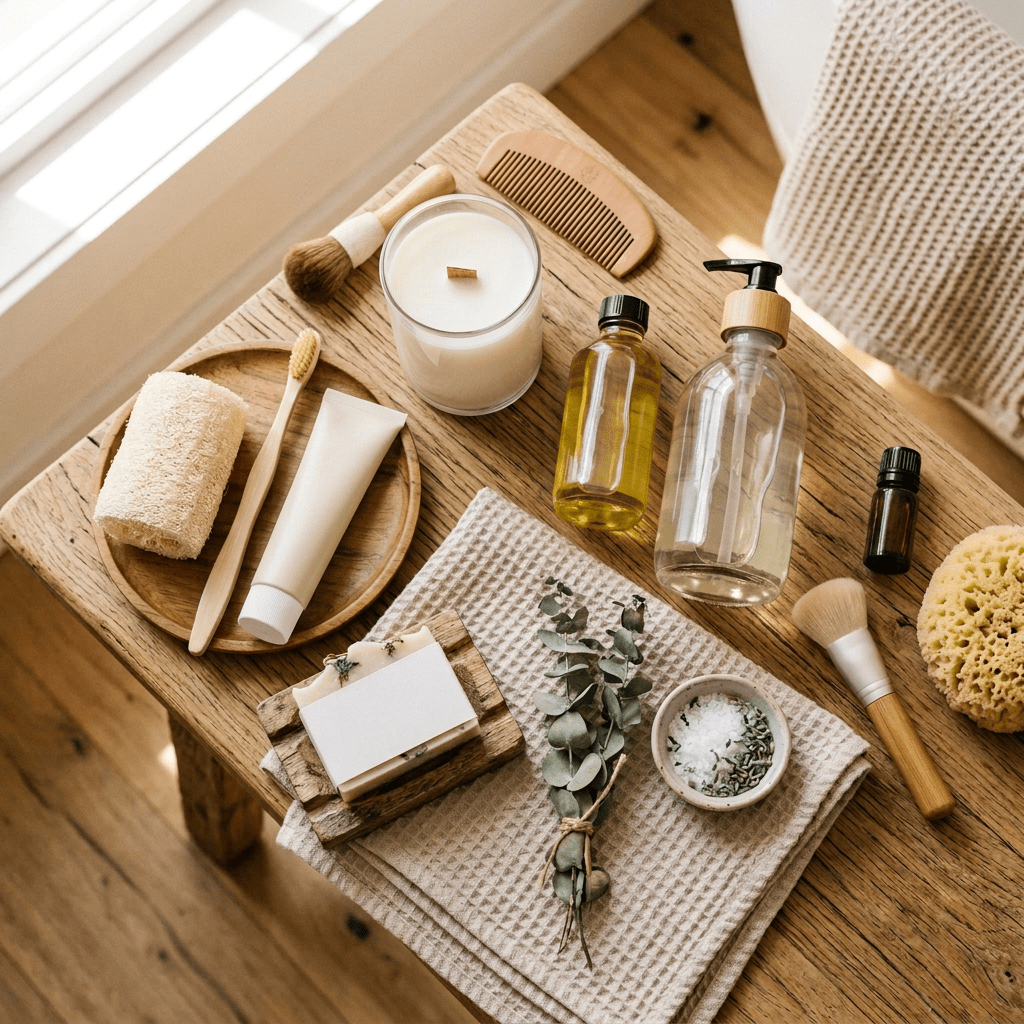
    Natural skincare and wellness products including soap, hand wash, body oil, toothbrush, loofah, candle, and dried eucalyptus on a wooden table

    Have you ever noticed that strong “new shower curtain smell?”

    That’s often caused by chemicals being released from vinyl or PVC products—a process called off-gassing. Heat and steam can make those odors even more noticeable in a small bathroom.

    Instead, choose natural materials whenever practical.

    Some easy swaps include:

    Need a waterproof liner?

    A non-coated PEVA liner is generally considered a better alternative to traditional PVC liners and is an easy budget-friendly upgrade. Or consider this organic cotton liner.

    Raw Wood Elements: Replace a soggy fabric bath mat with a roll-up bamboo or teak mat. It adds instant warmth. Use rot-resistant woods like Teak, Hinoki Cypress, or Cedar for bath mats, stool seats, shelving, or vanity accents. These woods release a calming, earthy scent when damp.

    *If you are changing bathroom hardware, try “living finishes” like unlacquered brass, copper, or matte black steel. Unlike chrome, which can require harsh chemical cleaners to stay shiny, living metals develop a natural patina over time and embrace the organic beauty of aging.

    *If you are repainting, consider Low-VOC Paint (mold-resistant paint rated for bathrooms to limit volatile organic compounds, satin sheen is best).

    Take away: Natural materials bring warmth and texture that instantly make a bathroom feel less clinical.


    3. Create Calm Through Organization

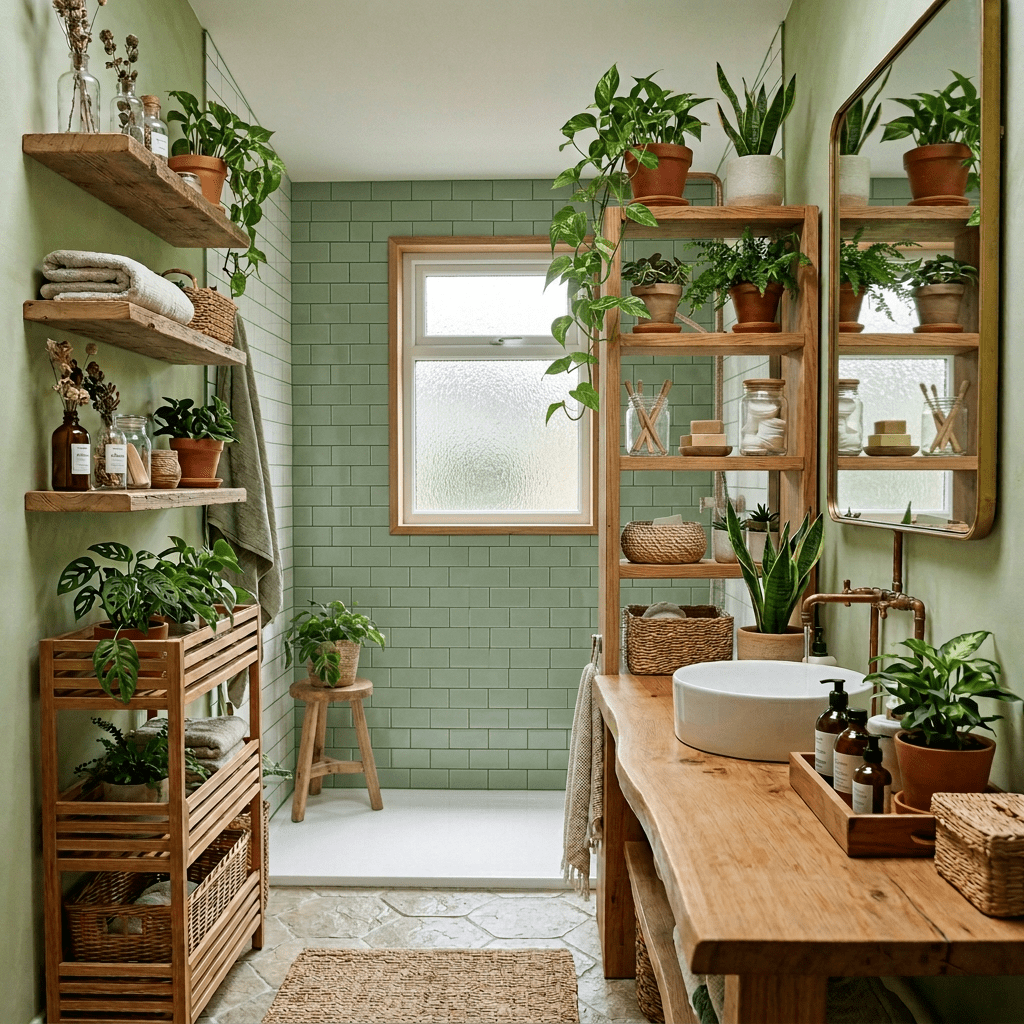
    Bathroom with wooden shelves, sink, and many potted green plants under soft natural light

    A cluttered countertop doesn’t just look busy—it can feel busy.

    Our brains are constantly processing visual information, and too much “visual noise” can make a room feel stressful before we even realize it.

    Instead of filling your bathroom with colorful plastic organizers, simplify.

    Try using:

    Decanting products into matching containers is one of the simplest changes you can make. It instantly reduces visual clutter while making refills easier and cutting down on plastic waste.

    A clean and organized bathroom isn’t about perfection.

    It’s about making everyday routines easier.


    4. Bring Nature Indoors

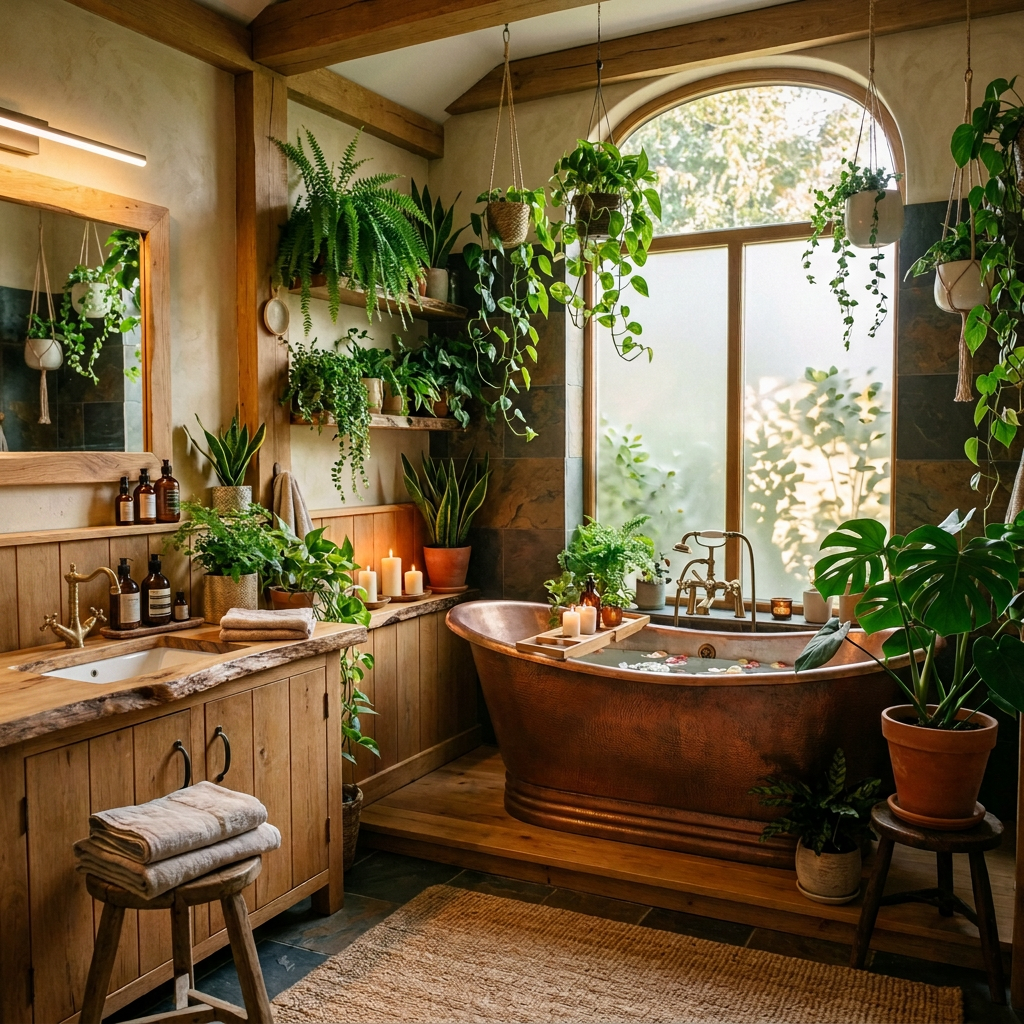
    Bathroom with copper bathtub, numerous plants, candles, wooden cabinets, and a large frosted window

    Bathrooms are one of the easiest rooms to add plants because many species actually enjoy humidity.

    If you have a window, consider adding:

    • Pothos
    • Bird’s Nest Fern
    • Snake Plant
    • Aloe Vera
    • Calathea

    Even a single plant can soften the room and create a stronger connection to nature. Place on a window sil or consider bathroom plant shelves, or plant boxes to make a “living green wall.”

    No windows?

    Don’t force it.

    A struggling plant won’t bring anyone peace.

    Instead, choose high-quality faux greenery, preserved moss art, or dried botanicals. Beautiful natural-inspired décor can still create the calming feeling you’re after.

    Nature Aromatherapy Diffuser: Place a small reed diffuser or a passive clay diffuser on a shelf with cedarwood, pine, moss, or lemongrass essential oils to mimic the scent of an outdoor forest.


    5. Rethink Your Bathroom Lighting

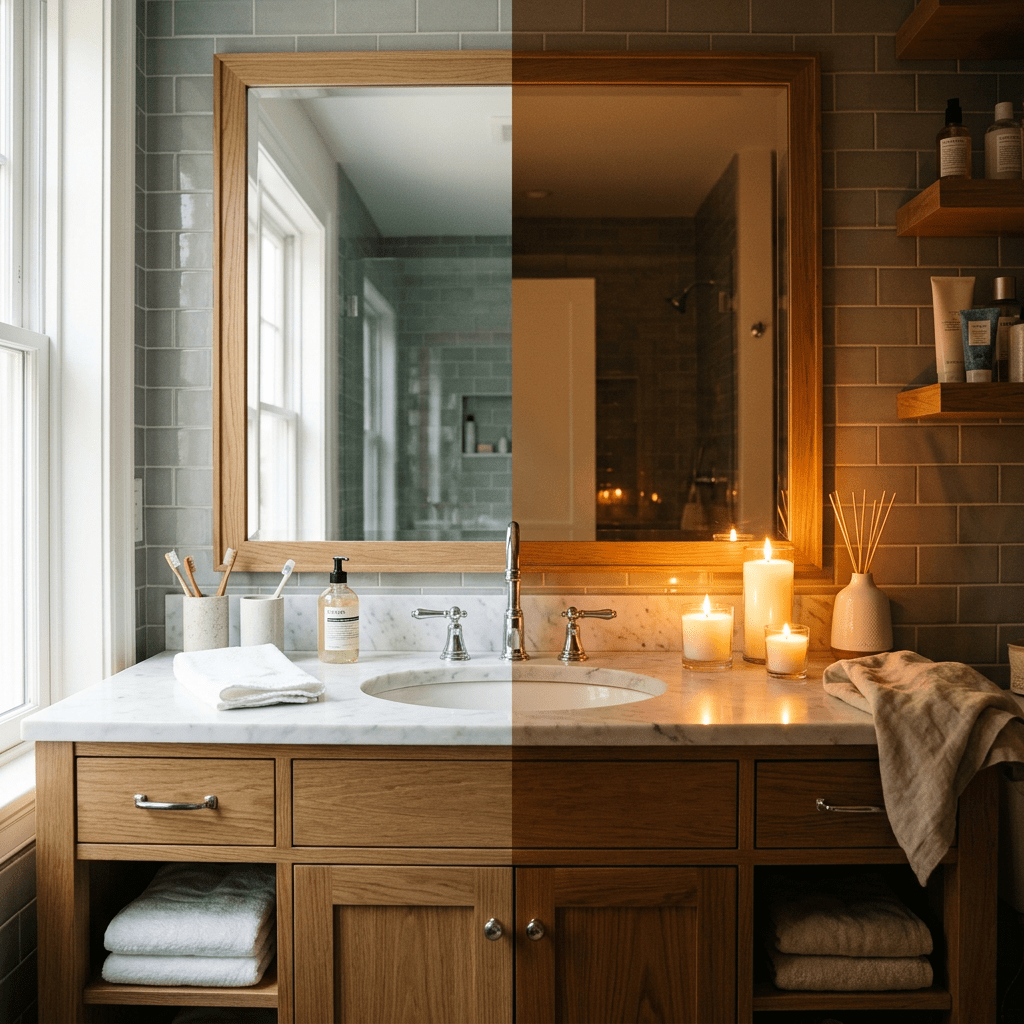
    Bathroom sink with mirror, toothbrushes, soap, and candles split between day and night lighting

    Lighting affects more than how we see ourselves in the mirror.

    Bright, cool-toned lighting late at night can make it harder for our bodies to prepare for sleep, while softer warm lighting creates a more relaxing atmosphere.

    The absolute best lighting for seeing your skin and doing your makeup is natural daylight, or artificial lighting that precisely mimics it.

    Whenever possible:

    • Open window coverings during the day to maximize natural light.
    • Use warm LED bulbs (around 2700K) in the evening.
    • Install dimmer switches if you’re remodeling.
    • Light a beeswax candle during an evening bath or shower for an instant spa-like feel.
    • Add a small Salt Lamp to soften the room.

    One of my favorite habits is simply making my nighttime bathroom routine quieter, dimmer, and slower.

    It’s a small change that signals to my brain that the day is ending.


    How to Balance Bright Light (day) and Warm Light (night):

    To get perfect color accuracy without harsh shadows, follow the “Triple-Nickel” Rule for your vanity bulbs.

    –Color Temperature (4800K – 5000K): Often labeled as “Daylight” or “Natural White”. Anything warmer (under 3000K) adds a yellow tint that hides skin blemishes, causing you to overapply your makeup. Anything cooler (over 6000K) washes you out and flattens skin depth.
    –Color Rendering Index (95+ CRI): CRI measures how accurately a bulb reveals true color compared to natural sunlight. Look for a CRI of 95 or above so your makeup colors look exactly the same outside as they do in the mirror.
    –Cross-Illumination Placement: Never rely solely on a single overhead ceiling light, which casts deep shadows under your eyes, nose, and chin. Instead, place two light fixtures (like sconces) on the left and right sides of your mirror at eye level to wrap your face in even, diffused light.

    **At first glance, a bright “daylight” bulb can feel sterile and anti-biophilic. However, biophilic design is actually rooted in matching the natural cycles of the sun (known as circadian rhythms).

    By framing your high-utility makeup lighting with natural design elements, you can blend the two seamlessly:

    1. Implement Circadian Smart Bulbs
    • The Concept: Use smart LED lights at the vanity that change color temperature throughout the day, just like the sun.
    • The Execution: In the morning, program the bulbs to transition to a crisp 4800K daylight setting for grooming. In the evening, dim them down to a warm, campfire-like 2200K amber glow to trigger your brain’s natural melatonin production and encourage relaxation.

    2. Diffuse Light Through Nature-Inspired Textures

    • The Concept: Nature rarely has exposed, blinding points of light; sunlight is always diffused by clouds, tree canopies, or atmosphere.
    • The Execution: Instead of bare bulbs, shield your vanity lights with frosted white glass, woven rattan shades, or perforated ceramic sconces. This softens the daylight-intensity bulbs, scattering the light evenly across your face while keeping the fixture looking organic and grounded.

    3. Build a “Green Frame” Around the Light

    • The Concept: Position plant life directly adjacent to your light sources so the illumination mimics sunbeams filtering through a forest.
    • The Execution: Place trailing plants like a Pothos or English Ivy on a shelf right above or next to your vanity mirror. Let the vines frame the sides of the glass. When the bright vanity lights switch on, they will bounce beautifully off the green leaves, making the crisp light feel alive rather than clinical.

    4. Ground the Vanity in Matte, Organic Textures

    • The Concept: Balance the high-tech gleam of a daylight LED mirror by anchoring the surrounding countertop space with heavily textured Earth materials.
    • The Execution: Place your makeup brushes in a raw, beige marble cup. Set your daily skincare products on a natural slate tray or a fast-drying diatomaceous earth mat. This rough texture counteracts the smooth glass of the mirror and the brightness of the light.


    6. Use Nature as Your Color and Texture Palette

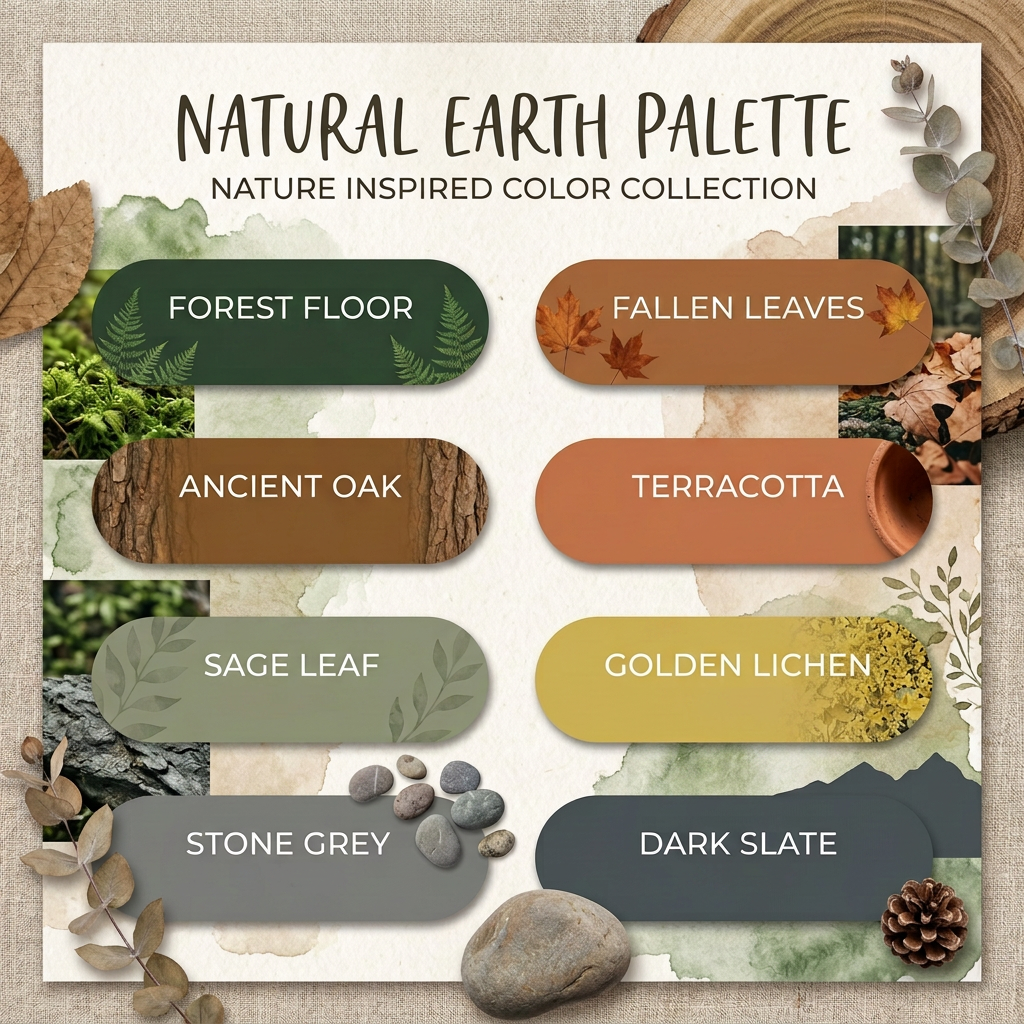
    Natural earth palette with eight colors and hex codes inspired by nature elements

    Biophilic design isn’t only about plants.

    It’s also about creating spaces that feel like nature.

    Instead of harsh whites, cold grays, boxy shapes, and shiny plastic finishes, look toward touches of colors and textures you might find outdoors.

    Think:

    • Soft sage greens
    • Warm sand
    • Clay and terracotta
    • Weathered wood
    • River stone
    • Curving shapes
    • Natural linen
    • Matte ceramics

    Layer different textures the same way nature does:

    Smooth porcelain.

    Waffle-weave towels.

    Stone soap dishes.

    Wood accents.

    Woven baskets.

    Stone or wood bath mats.

    The result feels collected instead of manufactured—and far more calming.

    The Color Psychology of Nature: A palette anchored in nature combined with texture contrasts: “tricks” the brain into a state of outdoor relaxation.

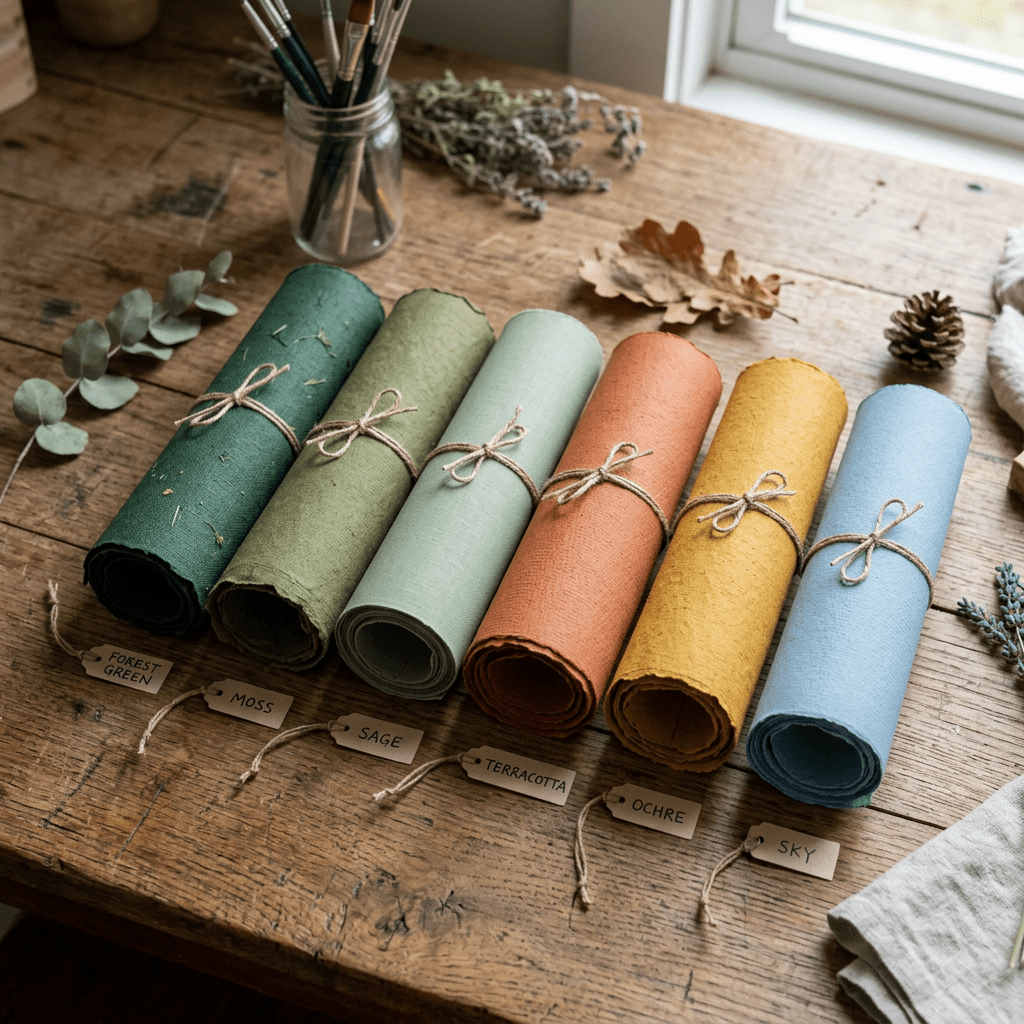
    Rolled fabric samples labeled Forest Green, Moss, Sage, Terracotta, Ochre, and Sky
    • Calming Botanicals & Oceans: Soft moss greens, sage, or watery blues that mimic forests and rivers, which naturally lower heart rates.
    • Grounding Earth Tones: Warm sands, soft terracottas, and muted clay colors that instantly make a space feel warm and safe.

    Traditional Bathroom vs. A Biophilic Bathroom

    Traditional BathroomBiophilic Bathroom
    PVC shower curtainOrganic cotton, linen, or hemp curtain with a PEVA liner
    Plastic organizersWoven baskets and bamboo organizers
    Bright plastic bottlesAmber glass refill bottles
    Harsh white lightingWarm layered lighting
    Cold, shiny finishesWood, stone, matte ceramics, and natural textures
    No greeneryPlants or nature-inspired décor
    Visual clutterCalm, intentional organization

    You Don’t Have to Change Everything

    One of the biggest misconceptions about creating a healthier home is thinking everything has to happen at once.

    It doesn’t.

    Start with one change.

    Maybe it’s replacing a vinyl shower curtain.

    Maybe it’s adding a plant.

    Maybe it’s hanging fresh eucalyptus or finally organizing your countertop.

    Each small improvement builds on the next.

    Over time, your bathroom becomes more than a place to brush your teeth or rush through a shower.

    It becomes a space that helps you slow down, breathe a little deeper, and begin or end your day with intention.

    That’s what I want Ryne and Pixie Home to be about—not perfection, but creating homes that quietly support healthier, calmer living.


    Your Healthy Bathroom Checklist:

    ✓ Good ventilation

    ✓ Filtered shower water

    ✓ Natural, low-tox materials

    ✓ Organized surfaces

    ✓ Greenery (real or faux)

    ✓ Warm, calming lighting

    ✓ Nature-inspired colors

    ✓ Layered organic textures

    Because sometimes the healthiest changes aren’t the biggest renovations.

    They’re the small, thoughtful choices we make every single day.

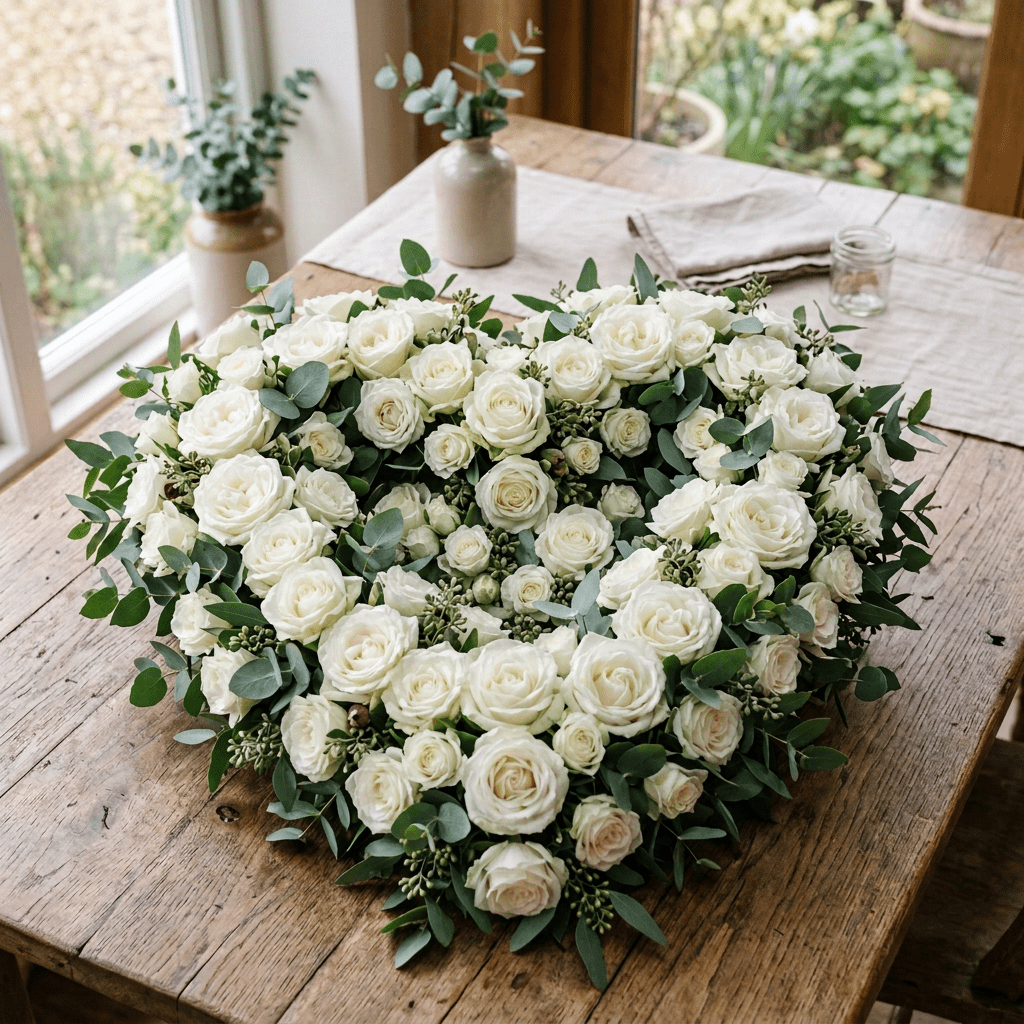
    Heart-shaped wreath of white roses and green leaves on wooden table
  • 13 Ways to Reduce Toxins in the Kitchen for Better Health and Wellness

    Creating a Healthier Home, One Choice at a Time

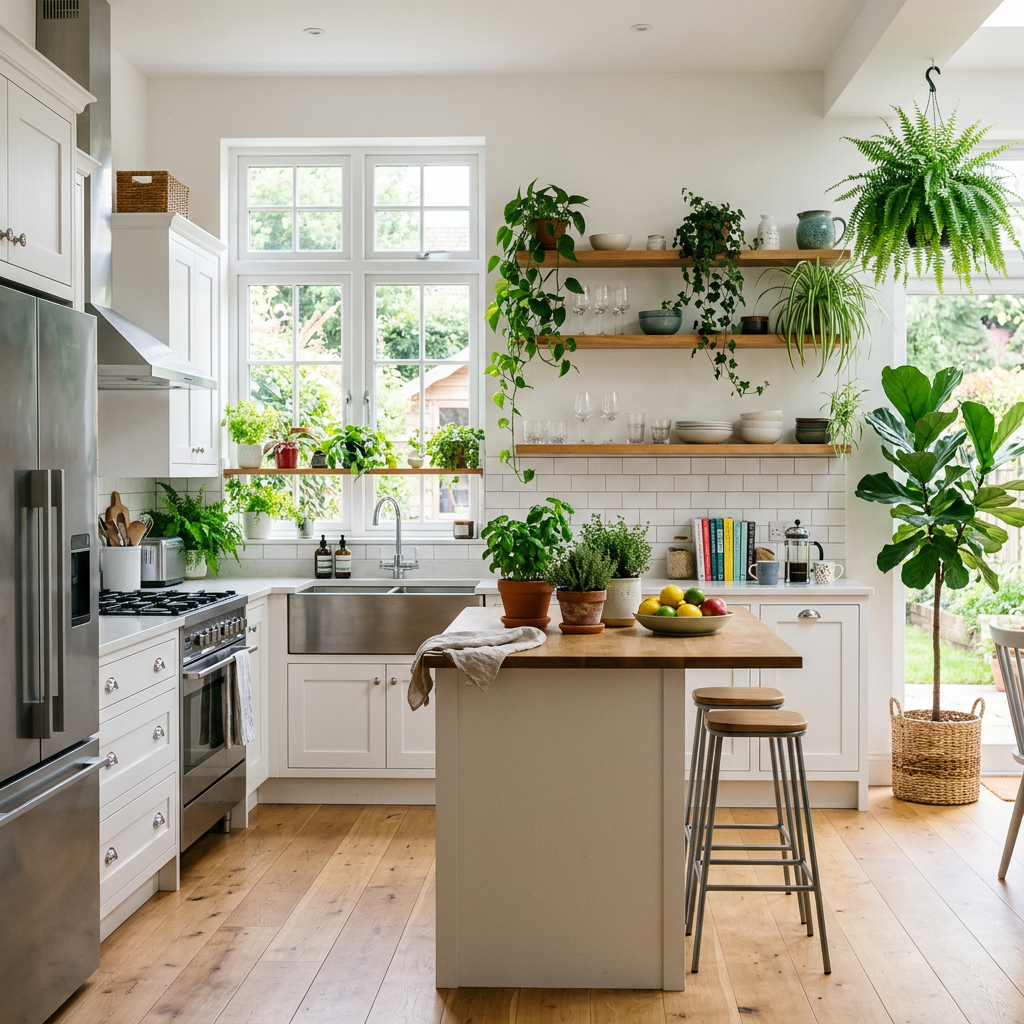
    bright modern kitchen with white cabinets, wooden countertops, stainless steel appliances, and many green plants

    The kitchen is often the heart of the home — where meals are prepared, conversations happen, and daily nourishment begins. It’s also, unfortunately, one of the most common sources of chronic toxin exposure in modern homes.

    Reducing toxins in the kitchen isn’t about perfection or fear. It’s about awareness, informed choices, and gradual upgrades that lower your overall toxic load and support long-term health.

    This guide will walk you through:

    • Why reducing kitchen toxins matters
    • What toxins we’re commonly exposed to
    • How they affect the human body
    • Practical swaps to reduce exposure
    • What you can expect after making changes

    Why Reduce Toxins in the Kitchen?

    Most toxin exposure doesn’t come from one dramatic source — it comes from small, repeated multiple source exposures over time.

    Cooking, prepping, storing food and cleaning can introduce substances that:

    • Disrupt hormones
    • Burden detox pathways
    • Contribute to inflammation and chronic health issues
    • Impact neurological and immune health

    Reducing exposure allows your body to do what it’s already designed to do — regulate, detox, and heal more efficiently.

    ** Readers also like this related post: The 7 Elimination Pathways Learn how to support your body’s detox pathways! For more wellness content, go to: http://www.ryneandpixie.com


    Common Kitchen Toxins & Where They’re Found

    Heavy Metals

    • Lead & Cadmium – Found in many ceramics, glazes, dishware, glass, and imported cookware
    • Aluminum – Found in cookware, countertop appliances, bakeware, foil, some coffee makers

    Impact: Neurotoxicity, kidney stress, developmental concerns, hormone disruption


    Plastics & Plasticizers

    • BPA, BPS, BPF – Used in plastics, linings, food storage
    • Phthalates – Found in plastics, fragrances, vinyl
    • Microplastics – Released from plastic cookware, plastic drinkware, cutting boards, packaging, food storage

    Impact: Endocrine disruption, fertility concerns, metabolic effects


    “Forever Chemicals”

    • PFAS / PTFE (Teflon) – Found in non-stick cookware, bakeware, air fryers
    • Formaldehyde – Found in some cleaning products, paper goods, melamine plates, finishes on cabinets, flooring

    Impact: Immune suppression, hormone disruption, liver stress


    Other Hidden Sources

    • Recycled electronic waste used in plastics (think black plastic utensils)
    • Chemical detergents and cleaners
    • Synthetic sponges and paper products

    The Goal: Reduce Exposure Over Time

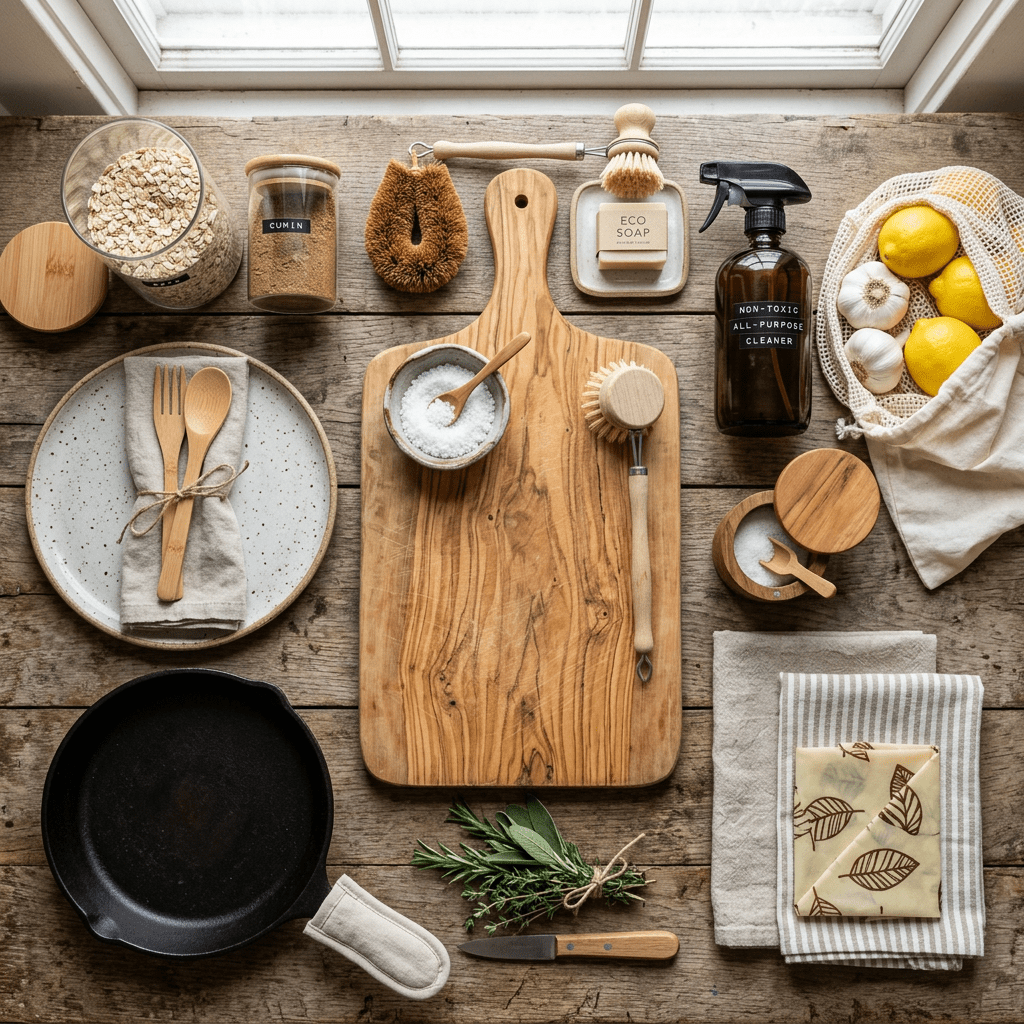
    Eco-friendly kitchen tools with wooden cutting board, cleaning brush, natural soap, lemons, herbs, and cast iron pan

    You don’t need to replace everything at once. Each swap lowers cumulative exposure and reduces the burden on your body. Don’t panic. Just slowly (or at a comfortable pace) replace things as you can. Start with the things that you use the most. (that non-stick egg pan you use much of the week that has scratches)

    Think progress, not perfection. As I started swapping things in my own kitchen, I realized how difficult it was to find safe options. I had to get very specific in my research due to confusing product marketing practices. If you do your own research, which I recommend, start with one category so you don’t get too overwhelmed. When shopping, look or ask specifically about the common toxins (for example, is there lead in this ceramic glaze? Are these cups made from lead-free and cadmium-free glass?) If the website doesn’t say specifically, consider skipping it or reach out to the company.

    After many, many hours of research, and personal switches and use, I have compiled a very comprehensive list of products with links for you to consider in your quest for a toxin-free kitchen space.

    *This post contains affiliate links. As an Amazon Associate, I may earn from qualifying purchases. This means that if you click on a link and make a purchase, I may receive a small commission at no additional cost to you. I only recommend products I genuinely love, use or believe will add value to your home and wellness journey. Thank you for supporting my work! Storefront Link Here


    Safer Kitchen Swaps (With Trusted Options)

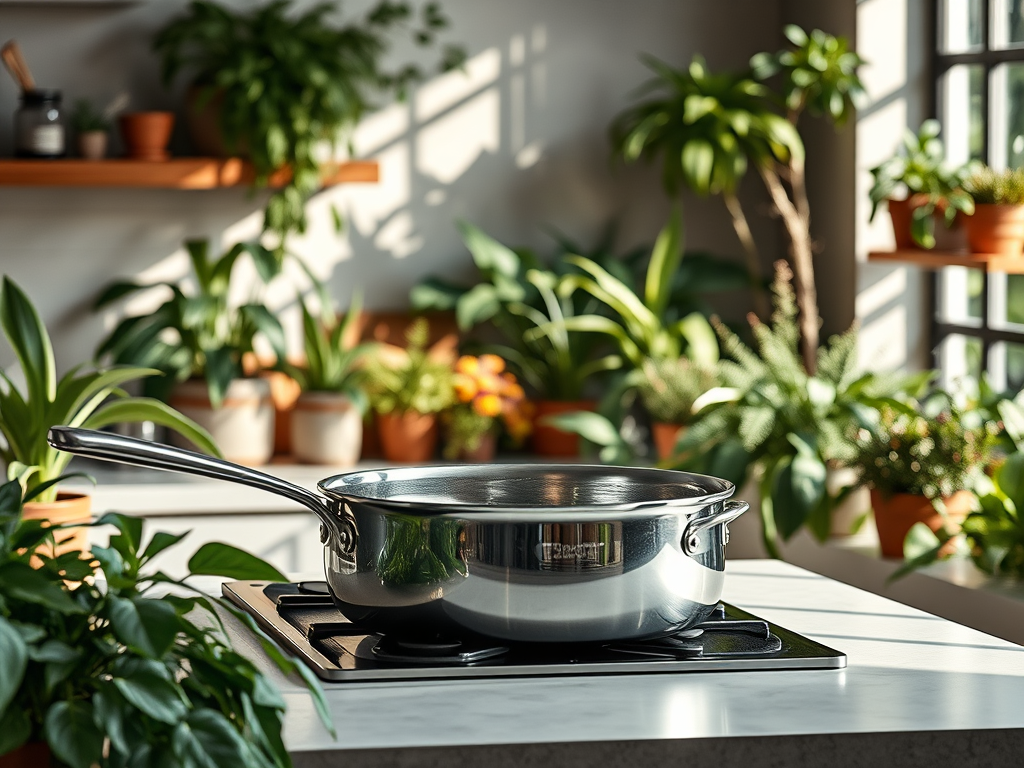
    1. Non-Toxic Cookware

    Switch away from traditional non-stick and aluminum toward safer materials: Stainless steel (high quality-this matters), ceramic (be careful of ceramic coated-once they scratch, they should be thrown), cast-iron, carbon steel. I personally use stainless steel and have one durable ceramic-coated over stainless egg pan. Here are some trusted non-toxic options:


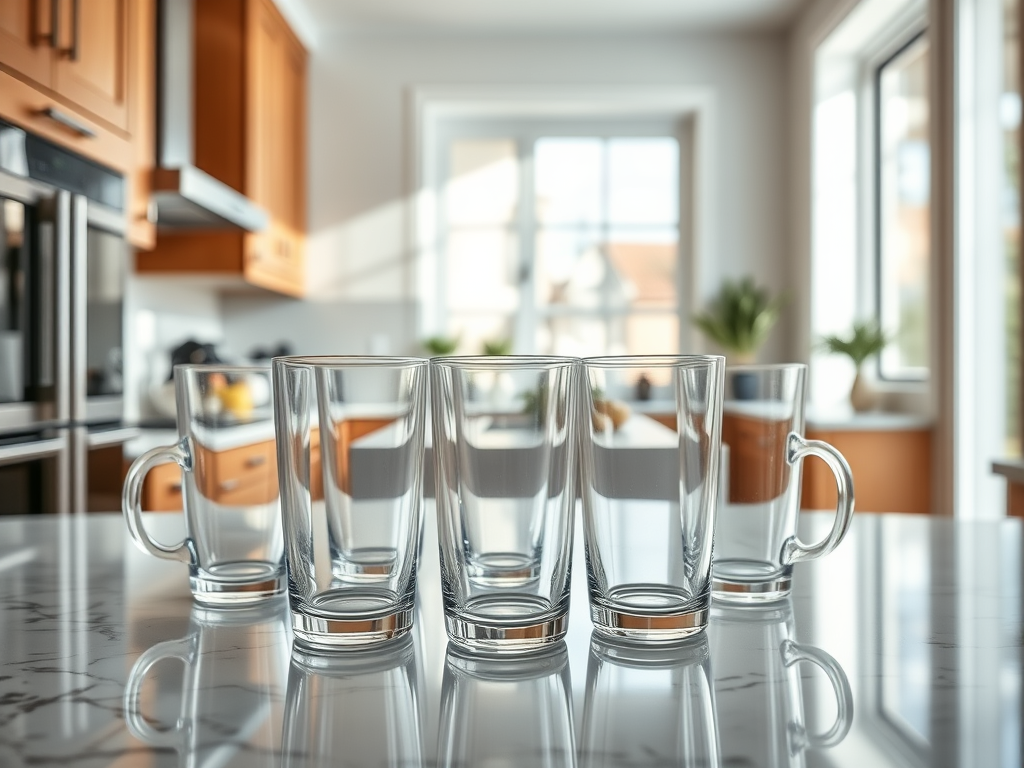
    2. Non-Toxic Drinkware

    Switch away from plastic or melamine cups to lead-free and cadmium-free glassware, high quality stainless steel, or lead-free ceramic stoneware. This category bothered me a lot. Even the type of glass you drink out of matters?? (not as obvious as my old plastic cups). A word about Wheat Straw products: unfortunately, while marketed as an earth-friendly product, I found that wheat straw can have issues with plastics and chemicals in the resin. Also, when heated, the product can leach into the digestive system and can cause gluten intolerance issues for some. Use caution. Here are some great drinkware options:


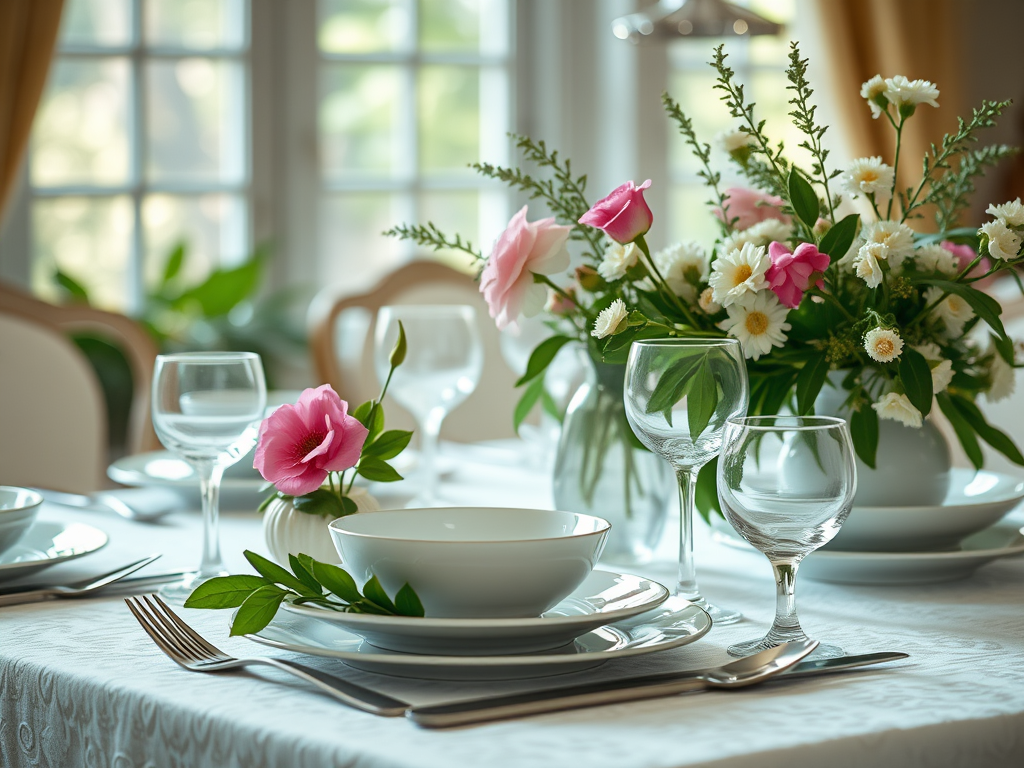
    3. Non-Toxic Dinnerware

    Surprisingly, much of the dinnerware we eat off of could do with a swap. I had melamine plates (with the cutest pattern) that I tossed immediately after finding out that melamine itself is toxic and made with formaldehyde. I was a little slower to switch my ceramic dinnerware (this felt wasteful for some reason, but needed to be done-low quality and scratched). I broke the plates with a hammer and will repurpose on a mosaic outdoor tabletop. Switch to lead-free ceramic or lead-free glass dinnerware. I use Mikasa and Corelle. The quality of the metal in your flatware matters too. Here are some safe options:


    4. Non-Toxic Cooking Utensils

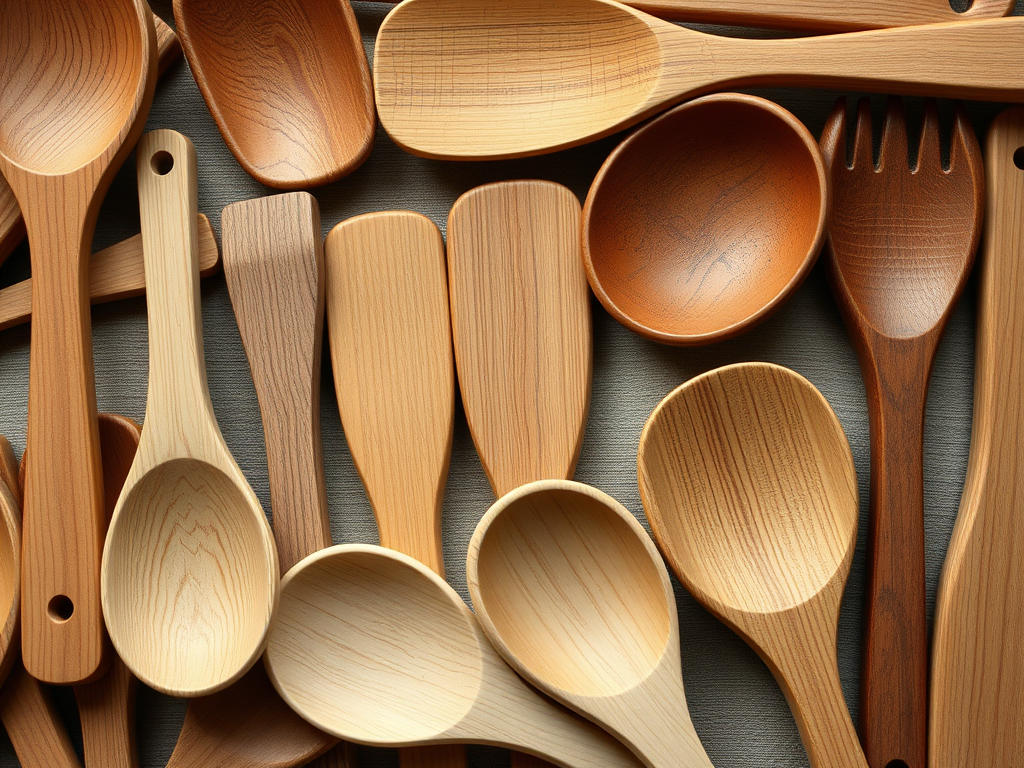
    This is a huge area of toxic exposure and it is typically done every day with heat. Start to move away from any plastic utensils to chemical-free (coatings/finishes) wood, high quality (quality matters) stainless steel, and food grade, high heat tolerance silicone rubber. This was actually the first category I started with. It seemed the least daunting. I personally use all of these in my kitchen and love them all. These options are great:


    5. Non-Toxic Bakeware

    Similar to cookware, with bakeware, switch from aluminum and non-stick to stainless steel and ceramic. Actually, if you do any baking at all, these products are so much better. (truly) It almost made me a little sassy (I’m not really that great of a baker). I use the stainless baking sheets and the ceramic set. Great options here:


    6. Non-Toxic Measuring Cups and Spoons

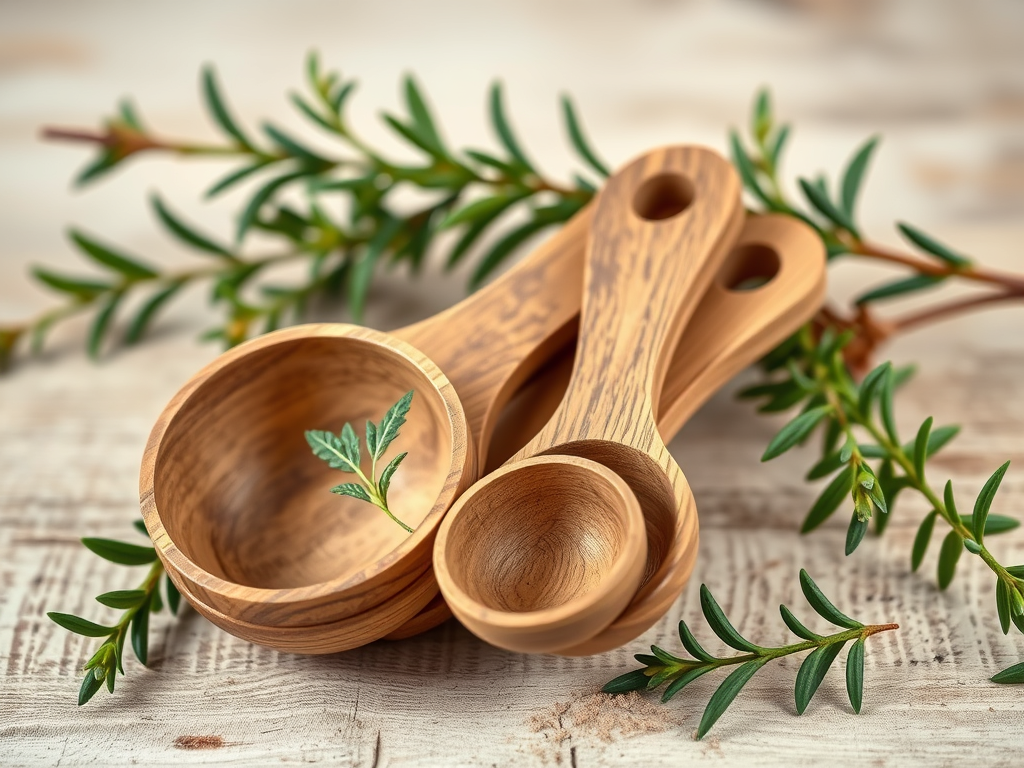
    Again, move away from plastics here, to stainless steel, glass, stoneware, and wood. I use stainless and glass. These options are great:

    7. Non-Toxic Cutting Boards

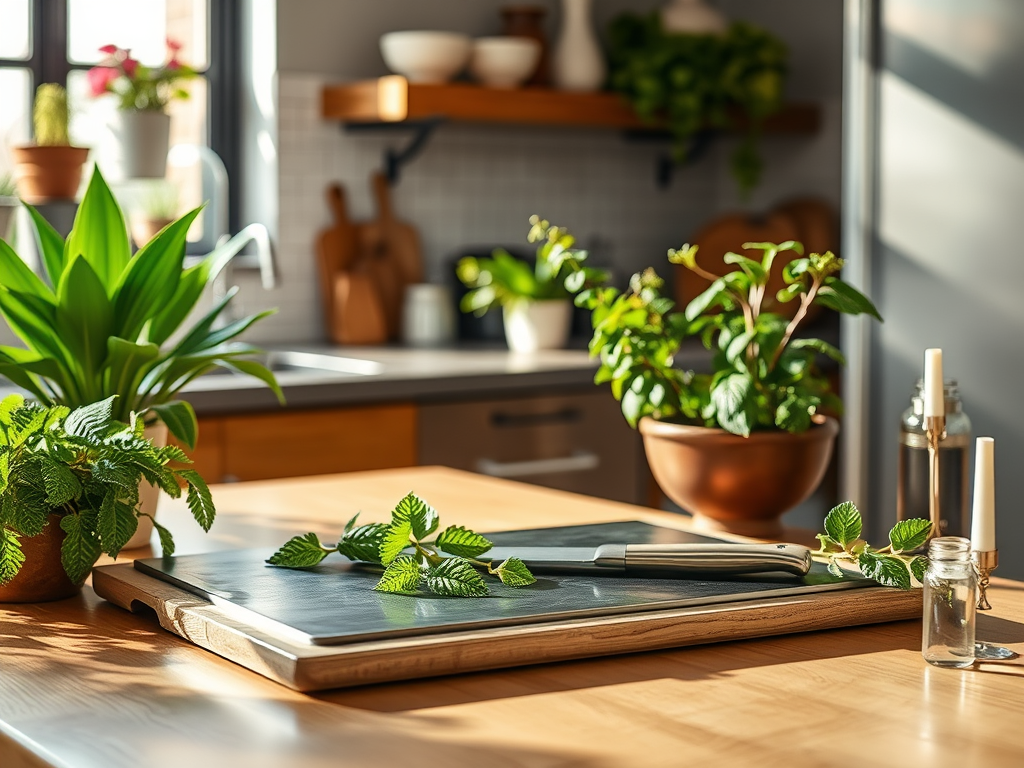
    Let’s face it, cutting boards can get gross. If you still use plastic boards, take a good look at the wear. They can be a major source of microplastics. Both plastic and wood can be a source of bacteria growth. Stainless steel or titanium cutting boards are a good hygienic swap for meat prep. When choosing a wood cutting board for your other food prep, choose wood that has been finished with natural products and does not contain any glue or chemicals. I use stainless (meat) and Acadia wood (only for fruits, veggies, and bread). Check out these options:

    *Pro tip: To avoid bacteria in your wood cutting boards, wash them immediately with hot, soapy water, sanitize with 3% hydrogen peroxide or white vinegar, and let them air dry completely. Because wood is naturally porous, always seal it with food-safe mineral oil to keep moisture out.


    8. Non-Toxic Coffee Machines

    I cried when I realized how long I had been drinking coffee that had been ran through a black plastic basket. YEARS. I then decided to get a stainless steel French Press, which is amazing. But then, I started adding up the monthly coffee bill for the “fancy” coffee drinks my family gets and decided to make an investment in an espresso machine. Life. Changing. Paid for itself in under 6 months. The machine I use has stainless steel internal parts and the very small amount of plastic exposure is BPA-free. My drinks have never been so frothy, so delicious! Options here:

    9. Water Filtration

    Filtering city (tap) water is important to reduce exposure to things like chlorine, lead, pesticides, endocrine disrupters, viruses, and bacteria. This is actually a BIG DEAL. The gold standard of water filtration is reverse osmosis (RO). RO is an advanced water purification technology that forces water through a semi-permeable membrane using pressure to remove contaminants, ions, and molecules. By reversing the natural osmotic process, it separates dissolved salts, minerals, and bacteria, producing purified water. Many people living in cities choose to drink bottled water, most of which is held in plastic containers. It is worth considering filtration options. Full disclosure: I have well water that we have tested yearly, so this has not been an issue for me, for which I am grateful. Below is a top-rated, high-performing, affordable option to check out:


    10. Non-Toxic Food Storage

    Swap plastic food containers for glass, stainless steel, and silicone. I use glass with silicone because I like to see what is in the container. Here are some useful options:


    11. Safe Appliances

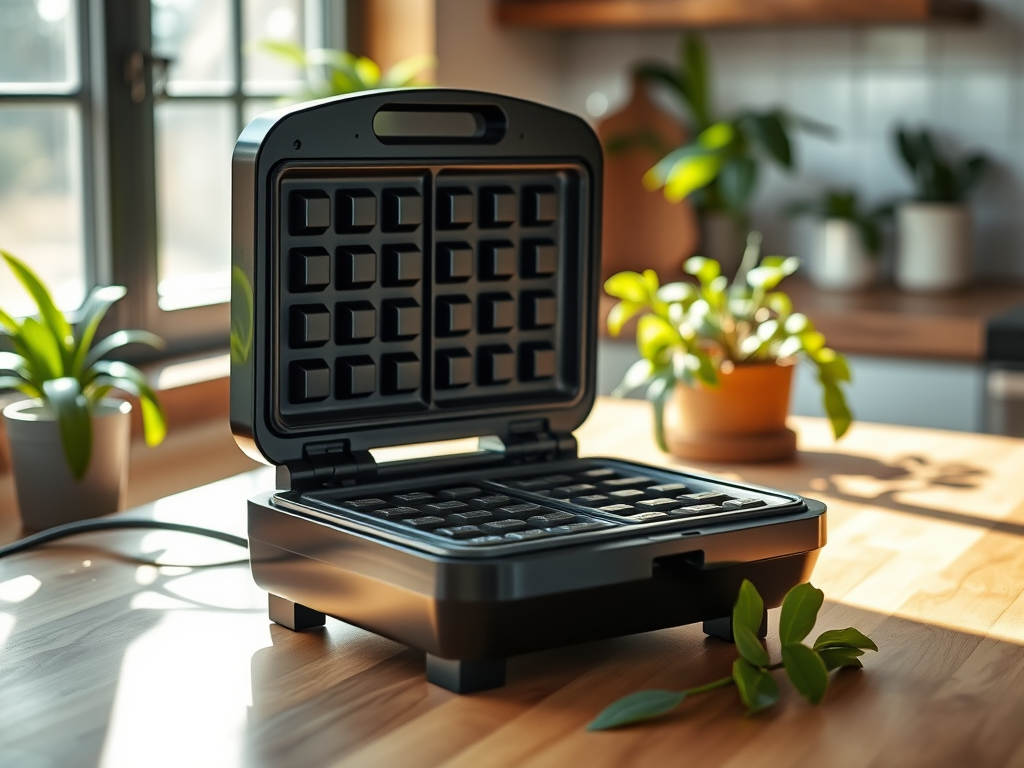
    Switch away from countertop appliances with non-stick coatings, plastics, and metals that can leach contaminants like aluminum, lead, and cadmium. (heating elements and cheap coatings) Here are some amazing options my family uses:


    12. Natural Cleaning Products

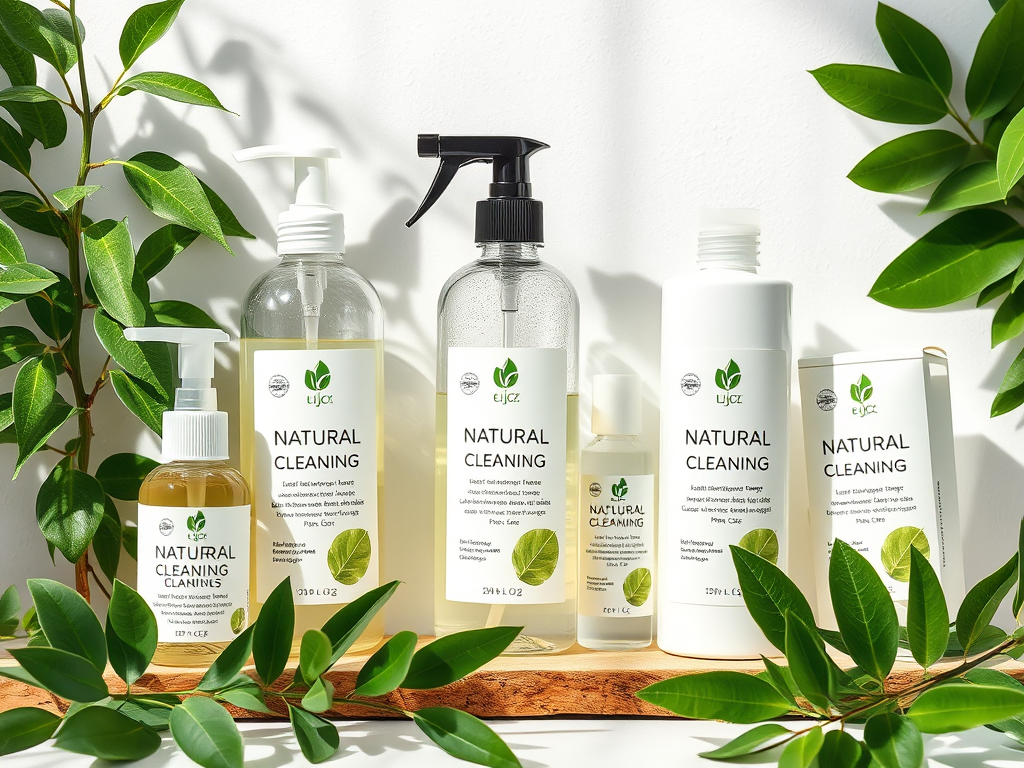
    This is an area that is really hard to find TRULY NON-TOXIC products. If you feel inspired, making your own cleaning products with things like baking soda and vinegar, is easy and recipes are abundant online. If you need proven performance and convenience, these are the real deal:


    13. Towels, Sponges & Paper

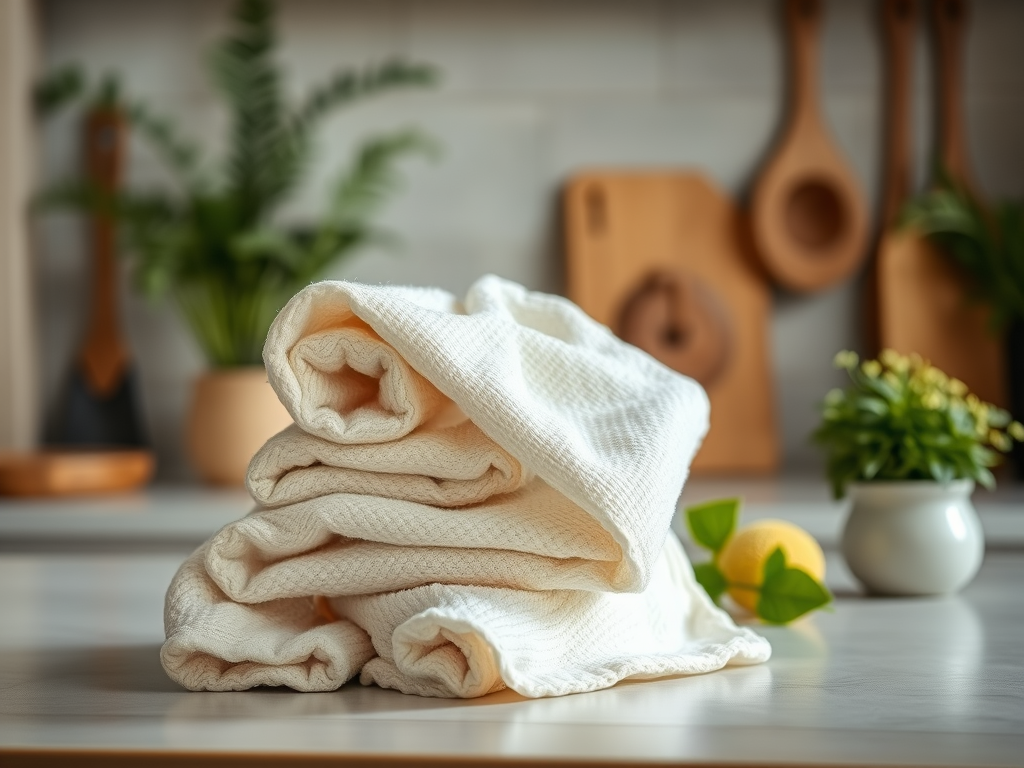
    Try for organic, natural fibers, unbleached. I admit, I am a paper-towel-aholic, so I am working on being more aware of my usage and try to use only for really big, gross messes. I also taught myself how to loom knit (super easy/fun) organic cotton scrubbies, so I use those a lot, as well as items below:


    What to Expect After Making These Changes

    Making your kitchen space non-toxic leads to significantly reduced exposure to environmental toxins. Many of these changes are an investment not just in products, but your long-term health. Many people notice:

    • Reduced headaches or sensitivities
    • Improved digestion
    • Fewer inflammatory symptoms
    • Better hormonal balance
    • Reduced allergies
    • Improved skin health
    • A calmer nervous system

    Changes are often subtle but cumulative, supporting long-term health and resilience.


    A Gentle Disclaimer

    This information is educational and not intended to diagnose or treat medical conditions. Everyone’s body and tolerance level is different. Choose what feels manageable for your life and circumstances.


    Final Thought

    So many of your health choices are made in your kitchen. Detoxifying this space creates a foundation for health to thrive. Each conscious choice is a vote for your well-being that brings peace of mind.

    A healthier kitchen supports a healthier home, a healthier family, a healthier body — and over time, a healthier life. Happy cooking! Happy gathering!